
Many Ontario bungalows share something with a neighbour, most often a mutual driveway, a fence, a wall or, in condo bungalows, common elements like roofs and roads. These arrangements are normal, but they come with rights and responsibilities. Knowing how they work before you buy helps you avoid disputes and surprise costs.
Key takeaways
- A shared driveway is usually governed by a registered easement or right-of-way on title.
- Bungalow townhomes and semis share walls, which affects noise, repairs and renovations.
- Condo bungalows share common elements paid for through monthly fees and a reserve fund.
- Your real estate lawyer should review every shared arrangement before closing.
How a shared driveway works in Ontario
A shared driveway, often called a mutual drive, is a strip of land that two neighbours both use to reach their garages or backyards. It’s common on older streets in Toronto, Hamilton and parts of Mississauga, where homes were built close together.
Usually, each owner owns part of the driveway, and each has a registered right to cross the other’s part. That right is called an easement or right-of-way. It stays with the property when it’s sold.
What to check on a mutual drive
- Is the easement registered on title, and what exactly does it allow?
- Can either owner park on the shared portion, or is it for passage only?
- Is there a written agreement about snow removal and repaving costs?
- Has there been any history of disputes with the neighbour?
- Is the driveway wide enough for the vehicles you own?
Our guide to easements and property restrictions explains how these rights appear on title.
Bungalow tip: Ask the sellers how they and the neighbour handle snow and parking day to day. Informal habits can tell you more than the paperwork.
Shared walls in bungalow townhomes and semis
If you buy a bungalow townhome or a semi-detached bungalow, you share at least one wall with a neighbour. That wall is often called a party wall.
Shared walls affect daily life and future projects. Sound can travel, especially in older homes. Repairs to the wall or the roof line where the homes meet may need cooperation. Some renovations, like moving plumbing on a shared wall, need extra care and permits.
Questions to ask about a shared wall
- Is there a fire separation between units, and is it intact in the attic?
- Have there been leaks where the two roofs meet?
- Is the home freehold or part of a condo corporation?
Shared fences and property lines
Fences between neighbours are a common source of friction. In Ontario, the Line Fences Act sets out a process for neighbours who can’t agree on building or repairing a boundary fence. Many municipalities also have fence by-laws on height and placement.
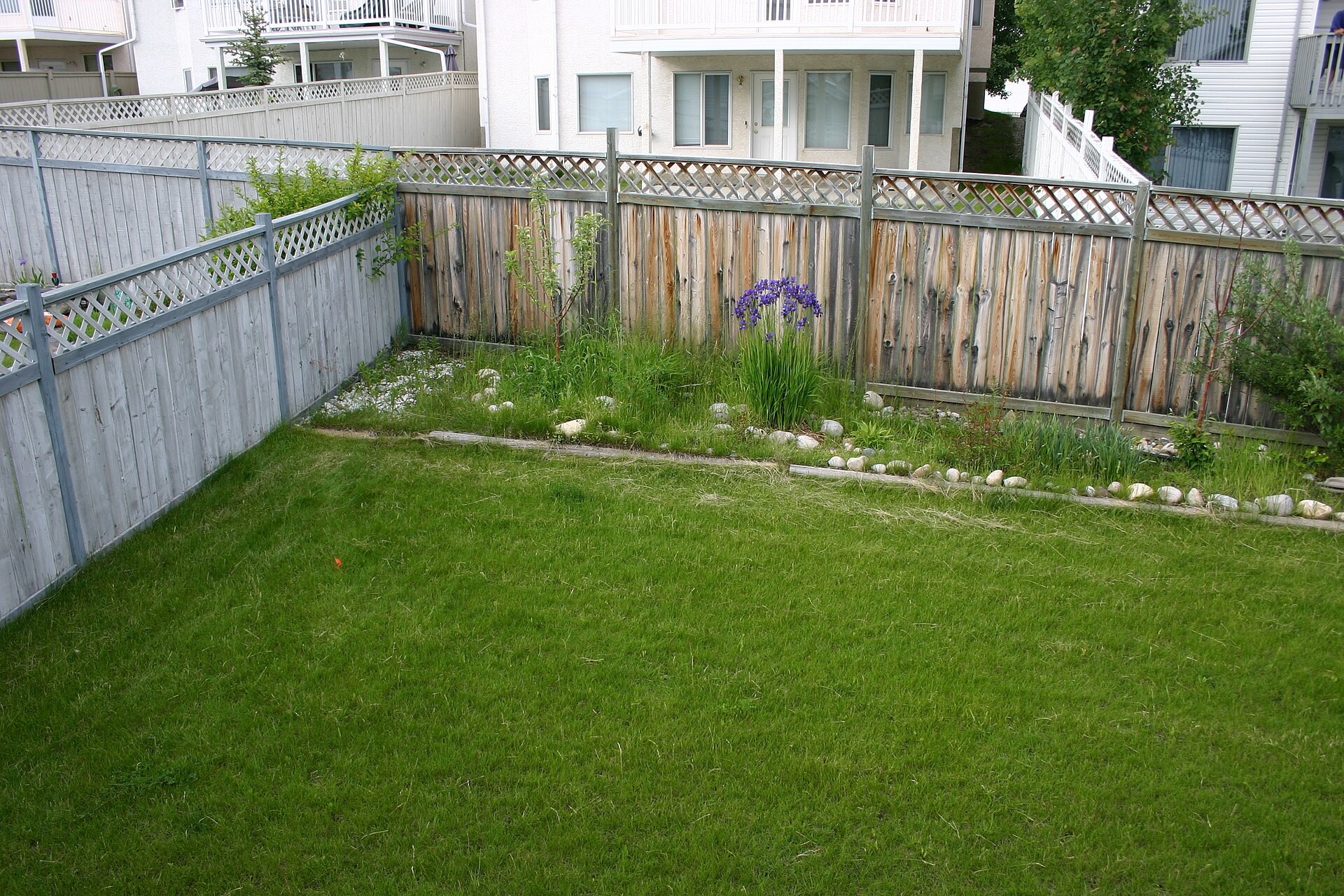
Before you buy, look at the survey if one is available. A fence isn’t always on the true property line. If the fence is off by a strip of land, your lawyer can explain what that means for you.
Condo bungalows and common elements
A condo bungalow gives you one-level living with less exterior work. In exchange, many parts of the property are common elements owned by the condo corporation.
| Element | Freehold bungalow | Typical condo bungalow |
|---|---|---|
| Roof and windows | Your responsibility | Often the corporation’s, through fees |
| Driveway and roads | Yours, or shared by easement | Common element, plowed by the corporation |
| Landscaping | Yours | Often included in fees |
| Renovations | Permits from the city | Board approval plus permits |
| Rules | Municipal by-laws | By-laws plus condo declaration and rules |
Exclusive-use common elements, like your own patio or parking space, belong to the corporation but are reserved for you. Check the declaration to see who pays for repairs. You can browse condo bungalows for sale to compare fees and amenities.
Review the status certificate
The status certificate shows the corporation’s finances, reserve fund, any lawsuits and upcoming special assessments. Make your offer conditional on your lawyer reviewing it.
Other shared elements to watch for
- Utility easements: Hydro or municipal lines may cross your backyard and limit sheds, pools or additions.
- Shared sewer or water lines: Some older homes share a lateral connection, which can complicate repairs.
- Private roads: Rural and cottage bungalows may sit on a road maintained by owners, not the township.
- Shared wells or septic: More common outside cities and worth a written agreement.
Protecting yourself when you buy
Most shared arrangements work well between reasonable neighbours. Problems usually start when expectations aren’t written down. Ask questions early, and get answers in writing where you can.
Your agent can help you spot shared elements during showings. Your real estate lawyer should confirm the legal details. Our guide on finding a good real estate lawyer can help you choose one. This article is general information, not legal advice.
Frequently asked questions
Can my neighbour block a shared driveway?
Generally, no one can block a registered right-of-way that gives the other owner passage. The exact rights depend on the easement wording, so ask a real estate lawyer to review it.
Does a shared driveway lower a home’s value?
It can reduce the buyer pool a little, since some buyers prefer a private drive. Many homes with mutual drives still sell well in established neighbourhoods.
Who pays to fix a shared fence?
Neighbours often split the cost by agreement. If they can’t agree, Ontario’s Line Fences Act provides a process through the municipality.
What is a status certificate?
It’s a package from a condo corporation that shows its finances, rules and any legal issues. Buyers should have a lawyer review it before firming up an offer.
The bottom line on shared elements
Shared driveways, walls and fences are a normal part of owning many bungalows. Understand the rules, talk to the neighbours and have your lawyer check the title.
Want help spotting these details early? Our buyer’s guide covers what to check from first showing to closing.
Bungalows for sale in Toronto right now
Live listings from the area this article covers.
 $1,500,00097 Estelle Avenue, Toronto3+4 bed · 7 bath · Willowdale EastCourtesy of RE/MAX REALTRON REALTY INC.
 $699,0007 Twenty Second Street, Toronto3+3 bed · 3 bath · Long BranchCourtesy of RE/MAX PREMIER INC.
 $945,000257 John Tabor Trail E, Toronto3+2 bed · 2 bath · MalvernCourtesy of RE/MAX ATRIUM HOME REALTY
 $1,145,000109 Gulliver Road, Toronto4 bed · 3 bath · Brookhaven-AmesburyCourtesy of RE/MAX REALTY SPECIALISTS INC.
 $1,398,80074 Navaho Drive, Toronto3+4 bed · 3 bath · Pleasant ViewCourtesy of HOMELIFE LANDMARK REALTY INC.
 $2,990,00061 Highland Crescent, Toronto2+1 bed · 2 bath · Bridle Path-Sunnybrook-York MillsCourtesy of RE/MAX REALTRON BARRY COHEN HOMES INC.