
The best snow removal tips come down to clearing early and often, using the right tool for your driveway, and keeping snow away from your foundation, vents and roof edges. Bungalows have a real advantage in winter: the roof edge is low enough to reach with a roof rake from the ground, and single-level living means fewer icy stairs to manage.
Key takeaways
- Clear snow in stages during big storms instead of waiting until it stops.
- Match your tool to your driveway size: shovel, pusher or snow blower.
- Keep snow away from the foundation, furnace vents and window wells.
- Bungalow roof edges can often be raked from the ground to prevent ice dams.
- Check your municipality’s sidewalk clearing rules.
Plan before the first snowfall
Winter is easier when you’re ready before the first storm. In the fall:
- Mark the edges of your driveway with stakes so you don’t damage the lawn or garden.
- Service your snow blower and buy fresh fuel if it’s gas-powered.
- Stock up on a pet-safe, concrete-safe de-icer and traction sand. Rock salt can damage porch steps, as our front porch ideas guide explains.
- Find a spot to pile snow that won’t drain back toward the house.
- Line up a snow removal contractor if you plan to hire one.
Add these jobs to your fall routine with our bungalow maintenance checklist.
Choosing the right snow removal tools
| Tool | Best for | Tips |
|---|---|---|
| Ergonomic shovel | Steps, small walkways, light snow | A bent handle reduces bending |
| Snow pusher | Wide, flat driveways with light to moderate snow | Push, don’t lift, whenever you can |
| Single-stage snow blower | Small to medium driveways, lighter snow | Lighter and easier to store |
| Two-stage snow blower | Long driveways, heavy snow and the plow windrow | More power, needs more storage space |
| Roof rake | Clearing snow from roof edges | Use from the ground, never on a ladder in winter |
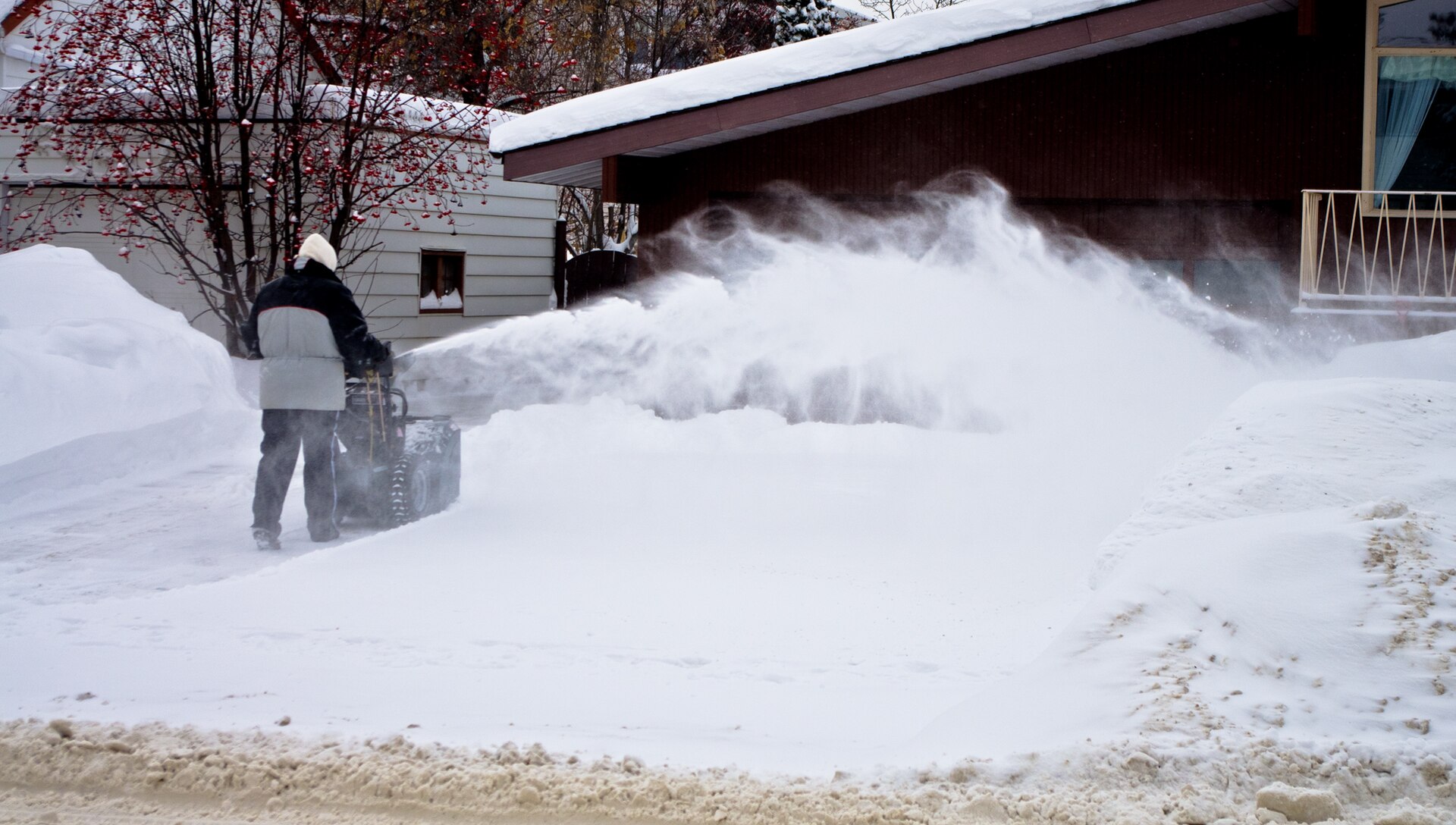
Electric snow blowers are quieter and need less maintenance, but check that they can handle the heavy snow left by city plows.
How to shovel safely and efficiently
Shovelling is real physical work. A few habits make it easier:
- Start early: clear a little at a time during a long storm.
- Push when you can: lifting is harder on your back than pushing.
- Lift with your legs: bend your knees and keep the load close.
- Don’t twist: turn your whole body to throw snow.
- Take breaks: stop often and stay hydrated.
- Dress in layers: wear boots with good grip.
If you have health concerns, talk to your doctor before heavy shovelling, and consider hiring help.
Bungalow tip: Spray your shovel blade with cooking spray or a silicone spray before you start. Wet, heavy snow slides off much more easily.
Protect your home from snow and ice
Snow removal isn’t just about the driveway. Make sure you also:
- Clear furnace and water heater vents: blocked high-efficiency vents can shut down your furnace or create a carbon monoxide risk.
- Keep snow away from the foundation: pile it on the lawn, not against the walls.
- Clear window wells: especially egress windows in basement bedrooms.
- Check the sump pump discharge: make sure it isn’t buried or frozen.
- Clear the gas meter: gently brush snow off by hand.
Roof snow and ice dams
Ice dams form when heat escaping from the attic melts snow, which then refreezes at the cold roof edge. Water can back up under shingles and leak inside.
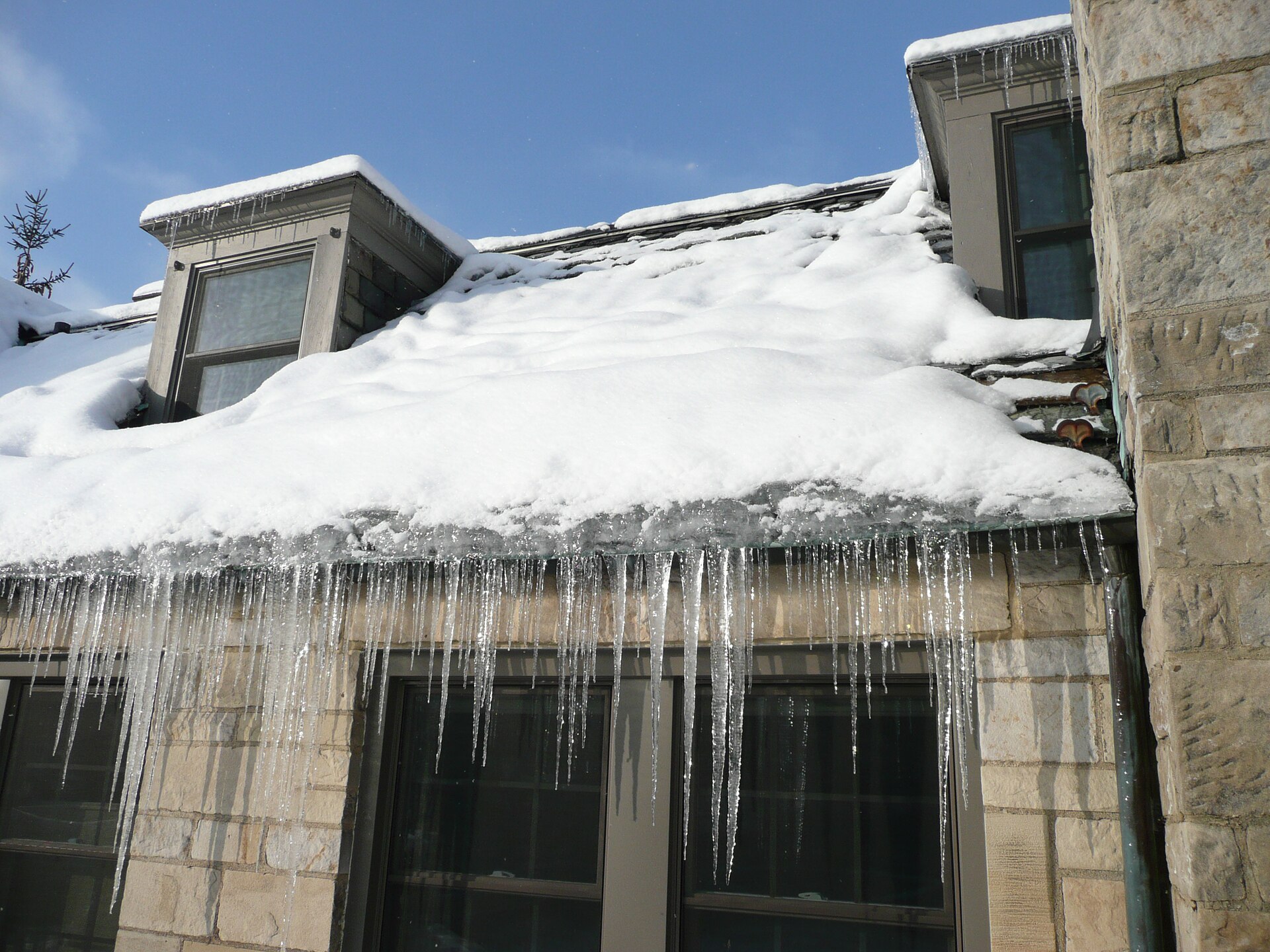
Bungalows are easier to manage here. The low roof edge means you can use a roof rake from the ground to pull snow off the lower edge of the roof after a big storm. Never climb onto a snowy roof.
For a long-term fix, improve attic insulation and ventilation and seal air leaks from the house into the attic. Our post on how often to replace a roof covers signs of roof damage to watch for in spring.
Sidewalk by-laws and neighbour etiquette
Rules vary across Ontario. Some cities clear residential sidewalks, while others require homeowners to clear them within a set time after a snowfall. Check your municipality’s website for local rules and fines.
Be a good neighbour too. Don’t blow snow onto the road, a neighbour’s driveway or a fire hydrant. Clearing snow from around the hydrant in front of your home helps firefighters in an emergency.
Hiring a snow removal contractor
Hiring help makes sense for seniors, busy families and long driveways. Before signing, ask:
- Is it a seasonal contract or per visit?
- What snowfall amount triggers a visit?
- Do they clear walkways and steps, or only the driveway?
- Do they return to clear the plow windrow?
- Do they carry liability insurance?
- Who pays for damage to your lawn or garage door?
Get the answers in writing and compare at least three quotes.
Frequently asked questions
When should I shovel during a snowstorm?
For big storms, clear in stages rather than waiting until it stops. Lighter loads are easier to move and less likely to pack down into ice.
Is it safe to use rock salt on my driveway?
Rock salt can damage concrete, plants and pets’ paws. Use a concrete-safe, pet-friendly de-icer sparingly, and use sand for traction.
How do I prevent ice dams on my bungalow roof?
Rake snow off the lower roof edge from the ground after heavy snowfalls. Long term, improve attic insulation and ventilation to stop heat from melting snow on the roof.
The bottom line on snow removal
Good snow removal is about planning, the right tools and protecting your home, not just clearing the driveway. Bungalows make winter easier thanks to low roof edges and fewer stairs.
Want less winter work? Browse bungalows with a 2-car garage to keep your vehicles clear of snow all season.