Good bungalow pest control starts with prevention: seal the gaps pests use to get in, remove the food and moisture that keep them around, and check the attic, basement and yard each season. Bungalows have a lot of foundation and roofline for their size, so sealing those two areas does most of the work.
Key takeaways
- Most pests enter through small gaps around the foundation, roofline, vents and pipes.
- Moisture in basements and crawl spaces attracts many insects.
- Store food, garbage and compost in sealed containers.
- Wildlife like raccoons and squirrels should be handled humanely by licensed pros.
- Call a licensed pest control company for infestations, especially in rental units.
Why bungalows attract certain pests
A bungalow spreads out across its lot. That means a long foundation wall at ground level and a roofline that’s easy for squirrels and raccoons to reach. Many GTA bungalows are older, with settled foundations, worn weatherstripping and gaps around old vents.
Basements are another factor. A damp, cluttered basement gives insects and mice shelter, food and water. The good news is that most of these problems can be fixed with basic maintenance.
Common pests in Ontario homes
| Pest | Signs to watch for | Common entry points |
|---|---|---|
| Mice | Droppings, chewed packaging, scratching in walls | Gaps around pipes, doors, foundation cracks |
| Carpenter ants | Large black ants, small piles of sawdust | Damp or rotted wood, tree branches touching the house |
| Wasps | Nests under eaves, sheds and decks | Soffits, siding gaps, unscreened vents |
| Raccoons and squirrels | Noises in the attic, damaged soffits or vents | Roof vents, chimneys, loose soffits |
| Silverfish and centipedes | Sightings in basements and bathrooms | Damp areas, floor drains |
| Bed bugs | Small blood spots on sheets, bites, tiny dark stains | Luggage, used furniture |

Termites are present in some parts of southern Ontario. If you’re buying in an area where they’re known, ask your inspector to look for signs.
Seal the entry points
Prevention is far easier than removal. Walk around your home and check:
- Foundation: seal cracks and gaps with suitable caulk or mortar.
- Pipes and wires: fill gaps where lines enter the house. Use steel wool or copper mesh plus sealant for mice.
- Doors: replace worn door sweeps and weatherstripping, including the garage door seal.
- Vents: cover dryer, bathroom and roof vents with proper pest guards.
- Soffits and fascia: repair loose or rotted sections.
- Chimney: install a chimney cap.
- Windows: repair torn screens.
Bungalow tip: Check your home’s exterior at night with a flashlight while someone inside turns on the lights. Light shining through a gap shows you exactly where to seal.
Remove food, water and shelter
Pests stay where life is easy. Make it harder:
- Store pantry food in sealed glass or plastic containers.
- Keep garbage and green bins sealed and away from doors.
- Clean up pet food at night.
- Fix leaky taps and pipes.
- Run a dehumidifier in a damp basement.
- Keep firewood away from the house and off the ground.
- Trim branches and shrubs so they don’t touch the roof or siding.
- Clear clutter and cardboard boxes from the basement and garage.
Basement moisture is a big one. A working sump pump, clean gutters and good grading all help. Our bungalow maintenance checklist covers these tasks season by season.
Dealing with wildlife
Raccoons, squirrels and skunks are common across the GTA. If they get into your attic or under your deck, don’t try to trap or handle them yourself. Ontario has rules about how wildlife can be handled and relocated, and spring is often baby season.
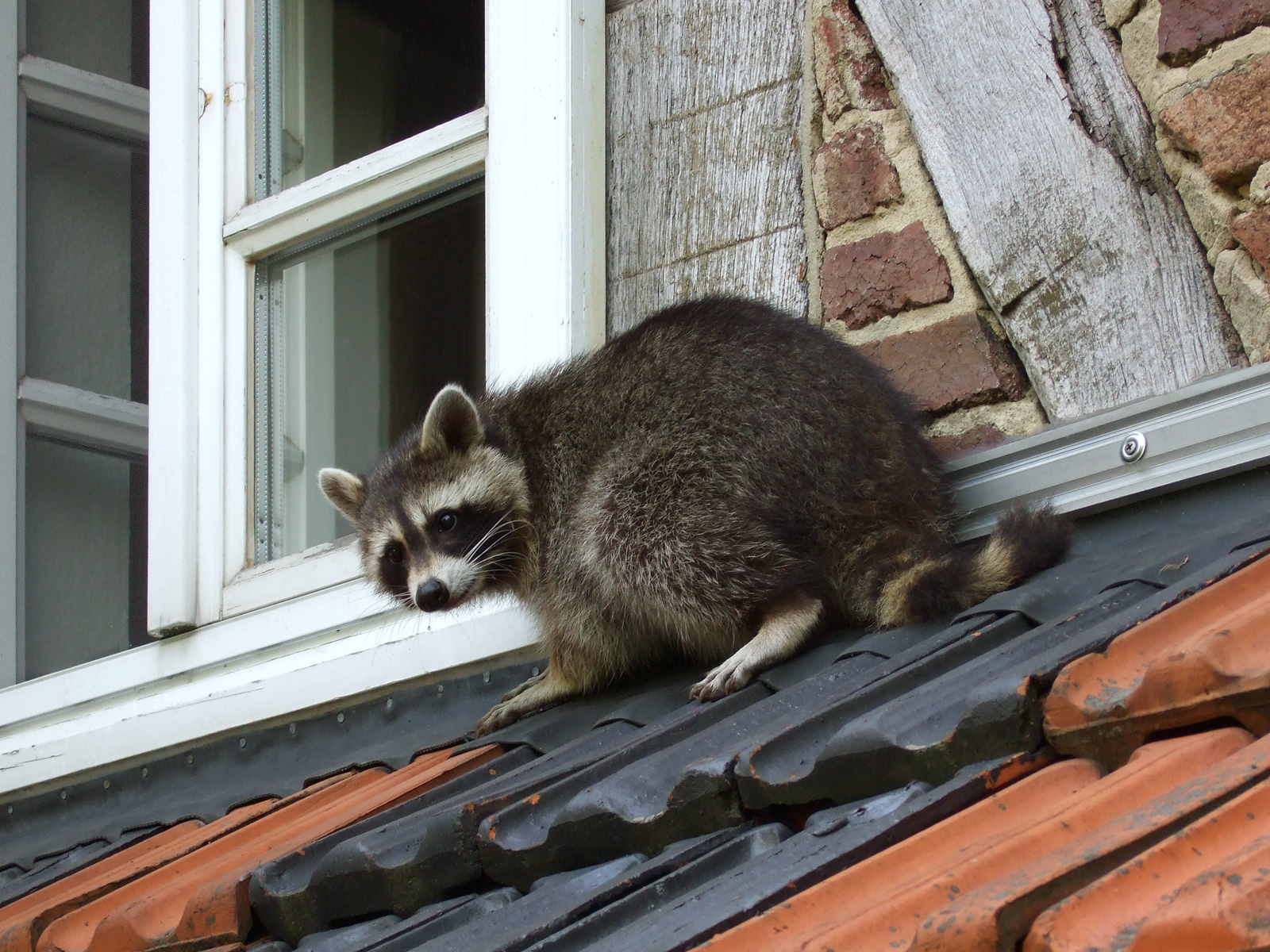
Hire a licensed wildlife removal company that uses humane one-way doors and repairs the entry point. Then seal the area so they can’t return. Check your home insurance policy too, since some damage from wildlife may not be covered. An insurance broker can explain your coverage.
When to call a professional
DIY prevention works for most homes. Call a licensed pest control company when:
- You see signs of an established infestation.
- You suspect bed bugs, cockroaches or termites.
- Wasps nest near a door or in a wall.
- Pests keep coming back despite your efforts.
- You have tenants or a basement unit.
If you rent out part of your home, landlords in Ontario are generally responsible for pest control. Tenants should report problems quickly so they can be treated. Get advice if you’re unsure of your obligations.
Pests and buying or selling a home
Buyers should ask about past pest problems and look for droppings, damaged insulation or patched soffits during showings. A home inspector can flag signs of past activity. Read more in our post on how home inspections can make or break your bungalow deal.
Sellers should deal with any current issues before listing and keep receipts for treatments. Disclosure rules can be complex, so ask your Realtor and real estate lawyer what you need to share.
Frequently asked questions
How do mice get into a bungalow?
Mice squeeze through small gaps around pipes, foundation cracks, garage doors and worn door sweeps. Sealing these spots is the most effective way to keep them out.
What attracts carpenter ants to a house?
Damp or rotting wood is the main draw. Fix leaks, replace rotted trim and keep branches and firewood away from the house.
Who handles raccoons in the attic?
Hire a licensed wildlife removal company. Ontario has rules about trapping and relocating wildlife, and professionals use humane methods and seal the entry point afterward.
The bottom line on bungalow pest control
Most pest problems start with a gap, food or moisture. Seal the outside, keep the inside clean and dry, and inspect the attic and basement each season.
For more ways to protect your home through the year, see our guide to seasonal home maintenance.