
Natural light in a bungalow often comes up short in the centre of the house, where hallways, bathrooms and inner rooms sit far from exterior walls. The good news is that a single-storey home has a roof right above every room, so skylights and solar tubes can bring daylight almost anywhere, and simple changes to windows, doors and finishes brighten the rest.
Key takeaways
- Bungalow hallways and central rooms are often the darkest spaces.
- Skylights and solar tubes work well because every room is under the roof.
- Larger windows and glass doors bring light and views into living areas.
- Light colours, mirrors and glossy finishes bounce light deeper into rooms.
- When buying, check which way the main rooms face.
Why some bungalows feel dark
A bungalow spreads its living space across a wide footprint. That’s great for one-level living, but it can leave a dark core. Common trouble spots include:
- A long central hallway with no windows.
- An interior bathroom.
- A kitchen at the back with a single small window.
- Deep roof overhangs that shade windows.
- Large trees planted close to the house decades ago.
Older GTA bungalows also tend to have modest windows and closed-off rooms, which block light from travelling through the home.
Skylights and solar tubes
Because a bungalow has no second floor, the roof sits directly over every room. That makes roof-based daylighting a strong option.
| Option | What it is | Best for | Things to consider |
|---|---|---|---|
| Skylight | A window in the roof | Kitchens, living rooms, bathrooms | Larger roof opening, proper flashing, can add heat in summer |
| Solar tube | A reflective tube from a small roof dome to a ceiling diffuser | Hallways, closets, interior bathrooms | No view, but easier to install |
| Venting skylight | A skylight that opens | Bathrooms and kitchens | Helps release heat and moisture |
Choose quality products and an experienced installer. Poor flashing is the main cause of skylight leaks. A building permit may be required, especially for larger roof openings, so check with your municipality.
Bungalow tip: If your hallway is dark, a single solar tube can make a noticeable difference. It’s often one of the simplest daylighting upgrades for a bungalow.
Windows and doors
Bigger or better-placed windows bring in the most light. Ideas include:
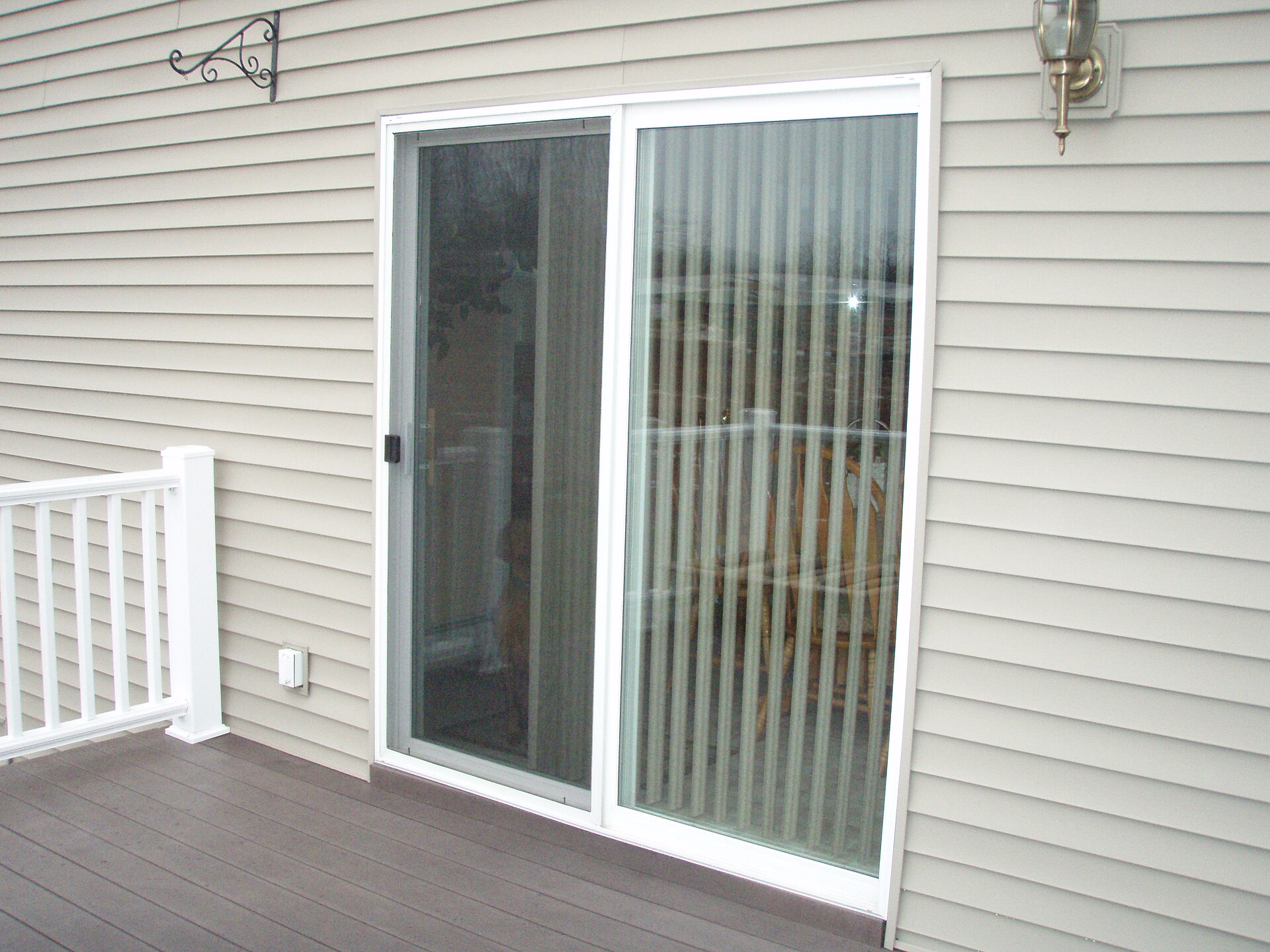
- Enlarging existing windows: especially at the back of the house facing the yard.
- Patio or garden doors: replacing a window with a glass door adds light and a link to the outdoors.
- Transom windows: small windows above doors or high on walls add light while keeping privacy.
- Glass interior doors: frosted or clear glass lets light pass between rooms.
Window changes that alter the wall opening usually need a permit. If your windows are old or foggy, see our guide on when to replace windows. For a bigger project, a sunroom can transform a dark back room. Read whether a sunroom adds value.
Layout changes that spread light
Walls block light. Opening the kitchen to the living area lets daylight from front and back windows reach the middle of the home. Even a wider doorway or a pass-through can help.
If you can’t remove a wall, consider an interior window or glass panel high on the wall. It keeps privacy and storage while letting light pass through.
Finishes and décor that bounce light
You don’t need construction to brighten a room. Try these:
- Paint walls and ceilings in light, warm colours.
- Choose a satin or eggshell finish, which reflects more light than flat paint.
- Hang a large mirror opposite a window.
- Use light-toned flooring and rugs.
- Replace heavy drapes with sheers or blinds that open fully.
- Keep window sills and the area in front of windows clear.
Outside, trim shrubs and lower tree branches that shade windows. Clean the glass inside and out at least twice a year.
Basement light in bungalows
Bungalow basements can be dark, which matters if you plan a family room or a rental unit. Raised bungalows are a standout here. Their basements sit partly above ground with larger windows, so they’re much brighter. Browse raised bungalows for sale if a bright lower level matters to you.
In a standard bungalow, larger egress windows, light colours and good lighting can make a big difference.
What to look for when buying
When you tour bungalows, pay attention to light:
- Which way do the main living areas and backyard face? South and west-facing rooms usually get more sun.
- Are there tall buildings or large trees blocking light?
- How dark are the hallway and bathrooms at midday?
- Is there potential for a skylight or bigger windows?
Visit at different times of day if you can. Use Compare Homes to keep notes side by side.
Frequently asked questions
How can I get more natural light in a dark hallway?
A solar tube or skylight is often the most effective option in a bungalow, since the roof sits right above the hallway. Light paint, glass doors and mirrors also help.
Do skylights leak?
A well-installed, quality skylight shouldn’t leak. Most leaks come from poor flashing or old seals, so hire an experienced installer and inspect skylights during roof checks.
Which direction should a bungalow face for the most light?
In Ontario, south-facing living areas usually get the most sun through the day. West-facing rooms get strong afternoon light. Your preference depends on how you use each room.
The bottom line on natural light in a bungalow
Bungalows have a unique advantage for daylight: every room sits under the roof. Combine skylights or solar tubes with better windows, open sightlines and light finishes to brighten the whole home.
For more ways light and design shape how a home feels, read our guide to calming home design.