
As of September 2026, the Ontario bungalow market is moving toward balance. GTA prices are slightly lower than a year ago, new listings have dropped and interest rates have held steady. Well-priced, move-in-ready bungalows and those with legal suite potential are drawing buyers, while overpriced or dated homes are taking longer to sell.
Key takeaways
- GTA average price was $993,410 in August 2026, down 2.7% from a year earlier.
- New listings fell 14.1% year over year, so supply is tightening.
- The Bank of Canada held its policy rate at 2.25% on September 2, 2026.
- Updated, accessible and suite-ready bungalows are in demand.
- Overpriced homes that need major work are sitting longer.
The GTA market by the numbers (August 2026)
The Toronto Regional Real Estate Board’s August 2026 figures give a snapshot of the wider GTA market. These numbers cover all home types, not only bungalows, but they set the backdrop.
| Measure | August 2026 | Change vs. August 2025 |
|---|---|---|
| Sales | 5,057 | -2.1% |
| New listings | 12,075 | -14.1% |
| Active listings | 24,482 | -11.3% |
| Average price | $993,410 | -2.7% |
| MLS HPI composite benchmark | n/a | -4.5% |
| Median price | $850,000 | n/a |
| Average days on market | 51 | n/a |
What it means: prices are still a little lower than last year, but new listings have dropped faster than sales. That tightening supply is pushing the market toward balance. Buyers still have time to compare, and sellers who price well are finding buyers.
Interest rates as of September 2026
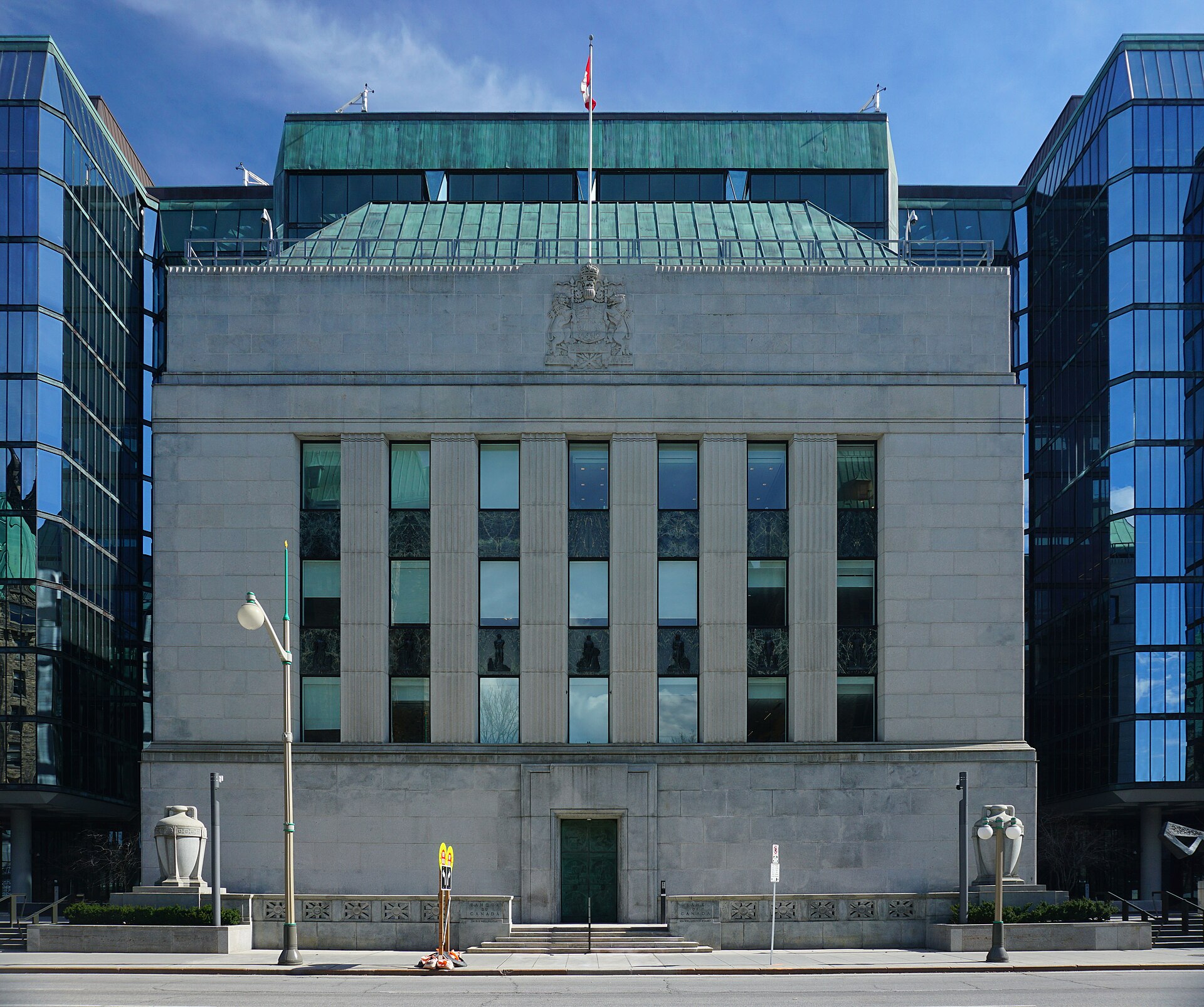
The Bank of Canada held its policy rate at 2.25% on September 2, 2026. It was the seventh straight hold since the last cut in October 2025. The next decision is scheduled for October 28, 2026.
- Prime rate is around 4.45%.
- Typical advertised 5-year fixed rates are in the mid-4% range.
- Typical 5-year variable rates are in the mid-3% range.
- Buyers must still qualify at the higher of their contract rate plus 2% or 5.25%.
Steady rates help buyers plan. Run your own numbers with our mortgage and affordability calculators, and speak with a mortgage agent about pre-approval.
What’s hot in the bungalow market
Move-in-ready bungalows
Many buyers are stretching to buy and have little left for renovations. Bungalows with updated kitchens, bathrooms, roofs and mechanicals stand out.
Suite-ready and separate-entrance homes
Ontario’s rules allowing up to three units on most urban serviced lots keep interest high in bungalows with a separate entrance, good basement height or room for a garden suite. A legal, permitted unit is worth far more to buyers than an unpermitted one.
Accessible, level-entry layouts
Downsizers and multigenerational families want no-step entries, main-floor laundry and walk-in showers. Accessible bungalows appeal to a wide buyer pool.
Large lots in established neighbourhoods
Older bungalows on wide lots in Toronto, Mississauga and Vaughan continue to attract renovators and builders.
What’s not selling as quickly
- Overpriced listings: with more time to compare, buyers skip homes priced above recent sales.
- Dated homes priced as renovated: buyers factor in the cost of kitchens, baths and systems.
- Unpermitted basement apartments: buyers and lenders are cautious about units without permits.
- Homes with deferred maintenance: old roofs, furnaces and windows show up in inspections and offers.
Bungalow tip: Sellers, check what similar bungalows actually sold for, not what they were listed at. Our sold listings page is a good place to start.
Beyond the GTA: other Ontario markets
Bungalows in Hamilton, Durham, Simcoe and Niagara often draw GTA downsizers and first-time buyers looking for more space for their budget. Each area has its own local board and its own pace, so GTA averages do not tell the whole story there.
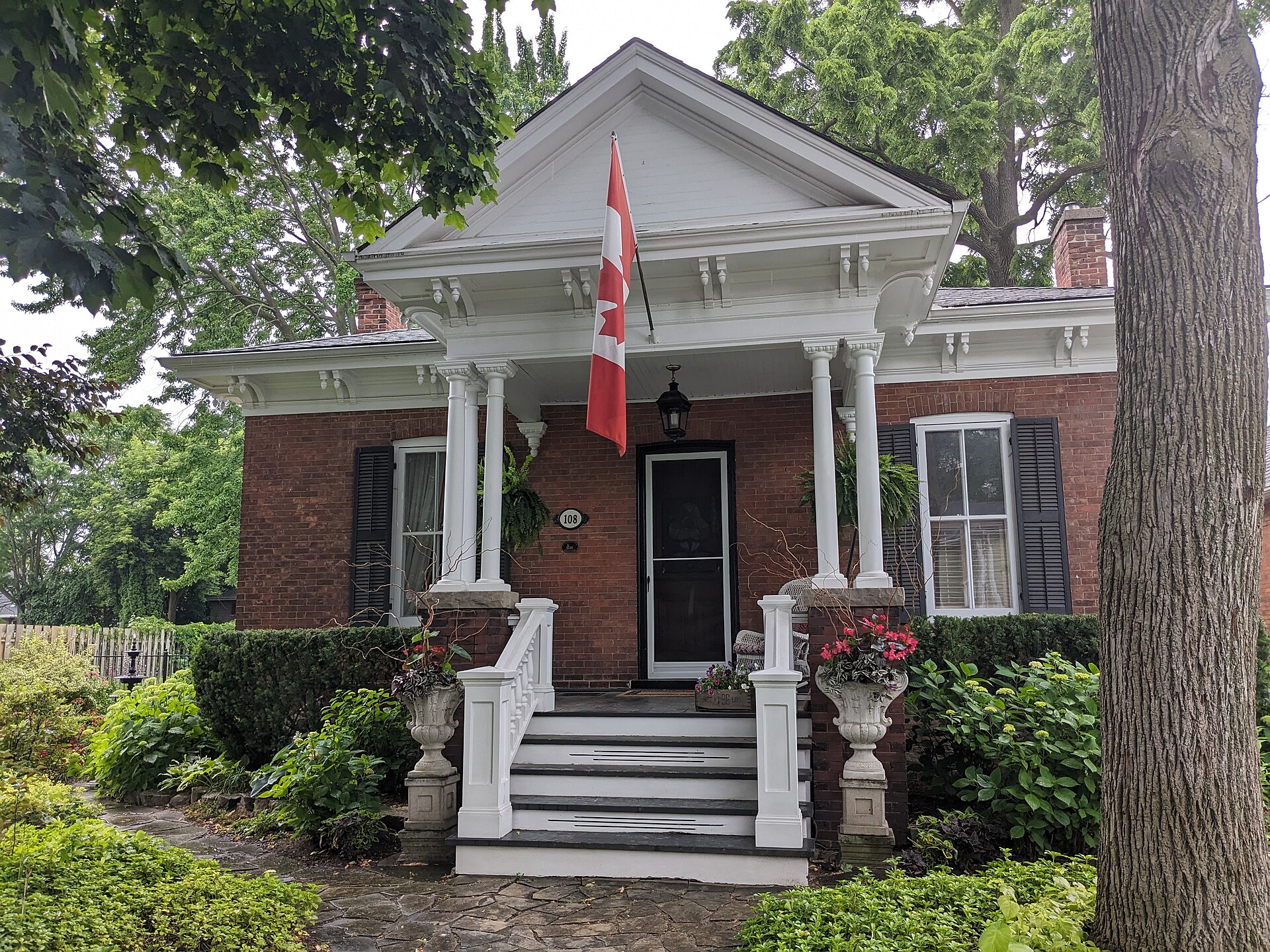
If you are comparing regions, look at recent sales of similar bungalows in each town. Commute times, property taxes and access to health care can matter as much as price. Browse Hamilton-area bungalows as one example.
What this market means for you
If you are buying
- Get pre-approved so you know your budget at today’s rates.
- Compare recent sales before making an offer.
- Keep your inspection condition where possible.
- Look at bungalows that have sat longer. There may be room to negotiate.
First-time buyers also have more room to manoeuvre than a few years ago. Insured mortgages for first-time buyers can now stretch to a 30-year amortization, which lowers the monthly payment.
If you are selling
- Price based on recent comparable sales, not last year’s peak.
- Fix obvious maintenance items before listing.
- Gather permits for any basement suite or renovation.
- Highlight accessibility, suite potential and lot size in your marketing.
Find out where your home stands with a free home evaluation. For a longer view, read our post on the future of bungalows in Canada.
Frequently asked questions
Are home prices in the GTA going down in 2026?
In August 2026, the GTA average price was 2.7% lower than a year earlier, and the benchmark price was down 4.5%. New listings also dropped, which is moving the market toward balance.
Is fall 2026 a good time to buy a bungalow?
With steady rates and more balanced conditions, buyers have time to compare and negotiate. The right time depends on your finances and how long you plan to stay.
When is the next Bank of Canada rate decision?
The next scheduled decision is October 28, 2026. The policy rate was held at 2.25% on September 2, 2026.
The bottom line on the 2026 bungalow market
The market is calmer than in past years, with tightening supply and steady rates. Bungalows that are well priced, updated and flexible are selling, while the rest need sharper pricing.
Want to see new bungalows first? Set up listing alerts for the areas and styles you like.