
A sunroom can add value to your home, especially a permitted, insulated four-season sunroom that feels like part of the house. A basic three-season room adds enjoyment and some buyer appeal, but it usually adds less value because it can’t be used comfortably through an Ontario winter.
Key takeaways
- Four-season sunrooms generally add more value than three-season rooms.
- Quality, permits and how well the room blends with the house matter most.
- Sunrooms rarely return their full cost at resale, but they add daily enjoyment.
- Most sunroom additions in Ontario need a building permit.
- A bungalow’s one-level layout makes a sunroom feel like a natural extension.
What is a sunroom?
A sunroom is a room with large windows, and sometimes a glass roof, built to bring in as much daylight as possible. It’s usually added to the back or side of a house and opens from the kitchen, family room or dining area.
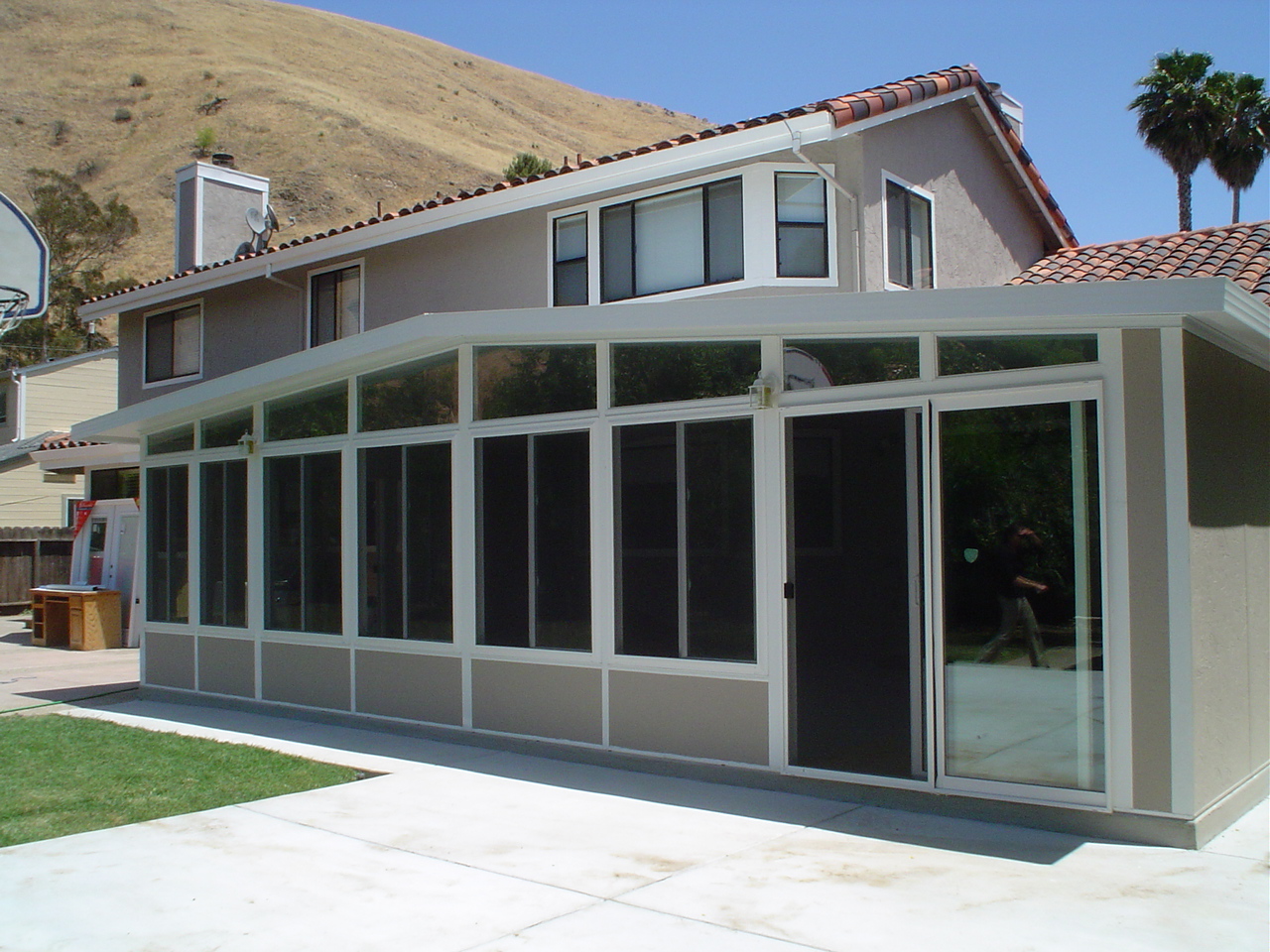
Sunrooms range from simple screened porches to fully insulated rooms with heating and cooling. The type you build has a big effect on the value it adds.
Three-season vs four-season sunrooms
| Feature | Three-season sunroom | Four-season sunroom |
|---|---|---|
| Use in Ontario | Spring, summer and fall | Year-round |
| Insulation | Little or none | Insulated walls, floor and roof |
| Glass | Single-pane or basic windows | Energy-efficient double or triple-pane |
| Heating and cooling | Usually none | Tied to the home’s HVAC or a separate system |
| Foundation | Often a deck or slab | Proper footings or foundation |
| Typical value to buyers | Nice extra | Can count as real living space |
A four-season room built to the same standard as the house is the type most likely to add measurable value. Buyers see it as an extra family room or office, not a porch.
When a sunroom adds the most value
A sunroom adds the most value when it:
- Looks like it belongs. The roofline, siding and windows match the house.
- Has permits. Buyers, lenders and insurers prefer permitted space.
- Works year-round. Heat, insulation and good windows make it usable in January.
- Has a clear purpose. It reads as a family room, dining area or office.
- Fits the neighbourhood. It doesn’t overbuild the home for its street.
It adds less when it’s a dated kit room, feels cold and drafty, leaks, or takes up most of a small backyard.
Bungalow tip: If you’re adding a sunroom to a bungalow, line up the floor height with the main floor. A no-step transition makes the room feel like part of the house and helps with aging in place.
Why sunrooms suit bungalows
Bungalows are a natural fit for sunrooms. Because everything is on one level, a sunroom off the kitchen or living room becomes part of the main living space with no stairs in between.
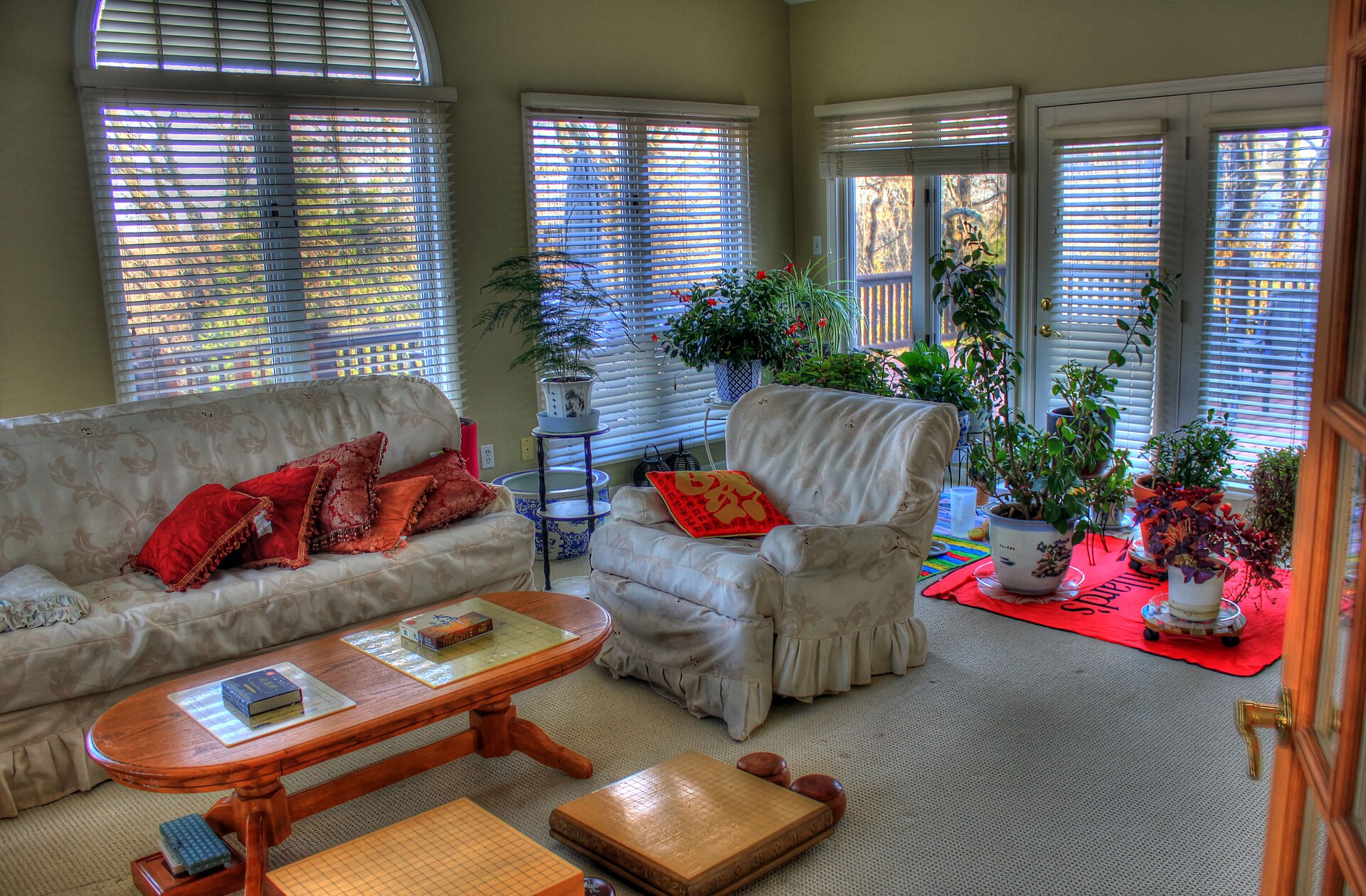
Many older GTA bungalows have smaller, closed-off rooms and modest windows. A sunroom can brighten the whole back of the house. It can also connect you to the yard, which is one of the main reasons people buy bungalows. Our post on natural light in bungalow design shares more ways to brighten a darker home.
If you’re thinking about adding space more broadly, see adding to a bungalow for second storeys, rear additions and basement options.
Permits, zoning and costs to weigh
Most sunroom additions in Ontario need a building permit, especially four-season rooms with foundations, heating or electrical work. Your municipality will check:
- Setbacks from property lines.
- Lot coverage limits in the zoning by-law.
- Structural design, footings and snow loads.
- Energy efficiency requirements.
- Electrical and HVAC work.
Costs vary widely depending on size, glass, foundation and finishes. Get at least three detailed quotes. Compare what’s included, such as permits, foundation, electrical, flooring and HVAC tie-ins.
Don’t forget ongoing costs. A glass-heavy room can be harder to heat and cool, which may raise utility bills.
Sunroom vs other ways to add space
| Option | Pros | Cons |
|---|---|---|
| Four-season sunroom | Bright, connects to yard, single level | Glass can make it hard to heat and cool |
| Rear addition | Can match the house fully, flexible use | Usually a larger project |
| Finished basement | Uses existing space, can add a unit | Less natural light |
| Covered deck or porch | Lower cost, outdoor feel | Seasonal use only |
Compare these with our guide to renovations with the best ROI.
Buying or selling a home with a sunroom
If you’re buying
Ask whether the room was built with a permit. Check for leaks around the roof and window seals, condensation, and whether the room is heated. Your home inspector can flag concerns.
If you’re selling
Stage the sunroom with a clear purpose, such as a reading room or breakfast nook. Clean the windows inside and out, and gather permits and warranties. To see how your sunroom affects your price, request a free home evaluation.
Frequently asked questions
Does a four-season sunroom count as living space?
It often can, if it’s permitted, insulated and heated to the same standard as the rest of the home. A three-season room usually isn’t counted as finished living space.
Do I need a permit for a sunroom in Ontario?
In most cases, yes. Sunrooms with foundations, heating or electrical work typically need a building permit. Check with your municipality before you sign a contract.
Is a sunroom worth it?
It’s worth it if you’ll use and enjoy the space. It rarely returns its full cost at resale, but a well-built four-season room can add appeal and help your home stand out.
The bottom line on sunrooms and home value
A sunroom adds the most value when it’s permitted, insulated and designed to look like part of the home. Build one for the light and lifestyle first, and treat any resale boost as a bonus.
Get several quotes, check zoning early and think about how the room will work in every season.