A bungalow gives you three ways to add space: build up with a second storey or loft, build out with an addition, or go down into the basement. The right choice depends on your lot, your zoning, your budget and how you want to live. Each option needs planning, permits and professional advice, so it pays to compare them before you call a contractor.
Key takeaways
- Finishing the basement is usually the simplest way to add living space.
- Rear additions keep one-level living but use up yard space.
- A second storey adds the most space but is the most complex.
- Zoning, permits and structural checks come first for any addition.
Why bungalows are great for expanding
Bungalows usually sit on wide lots with a full basement. That gives you options a narrow two-storey home may not have. Many owners in Etobicoke, Mississauga, Brampton and Oshawa have expanded their bungalows rather than moving, keeping the location they love.
Before you plan, decide what you really need. Is it an extra bedroom, a bigger kitchen, a home office, space for family or rental income? The answer points you to the right option.
Bungalow addition options compared
| Option | Best for | Pros | Cons | Complexity |
|---|---|---|---|---|
| Finish the basement | Family room, guest suite, office | Uses existing space; no change to the footprint | Lower ceilings and less light | Lower |
| Basement second unit | Rental income or family suite | Can offset costs | Must meet code; permits and fire separation | Medium |
| Rear or side addition | Bigger kitchen, main-floor bedroom | Keeps one-level living | Smaller yard; setbacks limit size | Medium |
| Loft or dormer (bungaloft style) | Extra bedroom and bath | Uses attic space | Needs a stair and roof changes | Medium to higher |
| Full second storey | Doubling living space | Most added space; keeps yard | Major structural work; you may need to move out | Higher |
| Garden suite | Separate home for family or a tenant | Privacy for both households | Needs lot depth and service access | Medium to higher |
Going down: finishing the basement
For most owners, the basement is the best place to start. You already have the space, so costs tend to be lower than building new. A finished lower level can hold bedrooms, a family room, a bathroom or an office.
Plan for moisture control, insulation, good lighting and safe exits. Bedrooms need proper egress windows. Our post on egress windows explains what’s required. If ceilings are very low, lowering the floor or underpinning is possible, but it is a bigger structural job.
Going out: rear and side additions
An addition keeps everything on one level, which is ideal for aging in place. Common projects include a larger kitchen and family room, a main-floor primary suite or a mudroom with laundry.
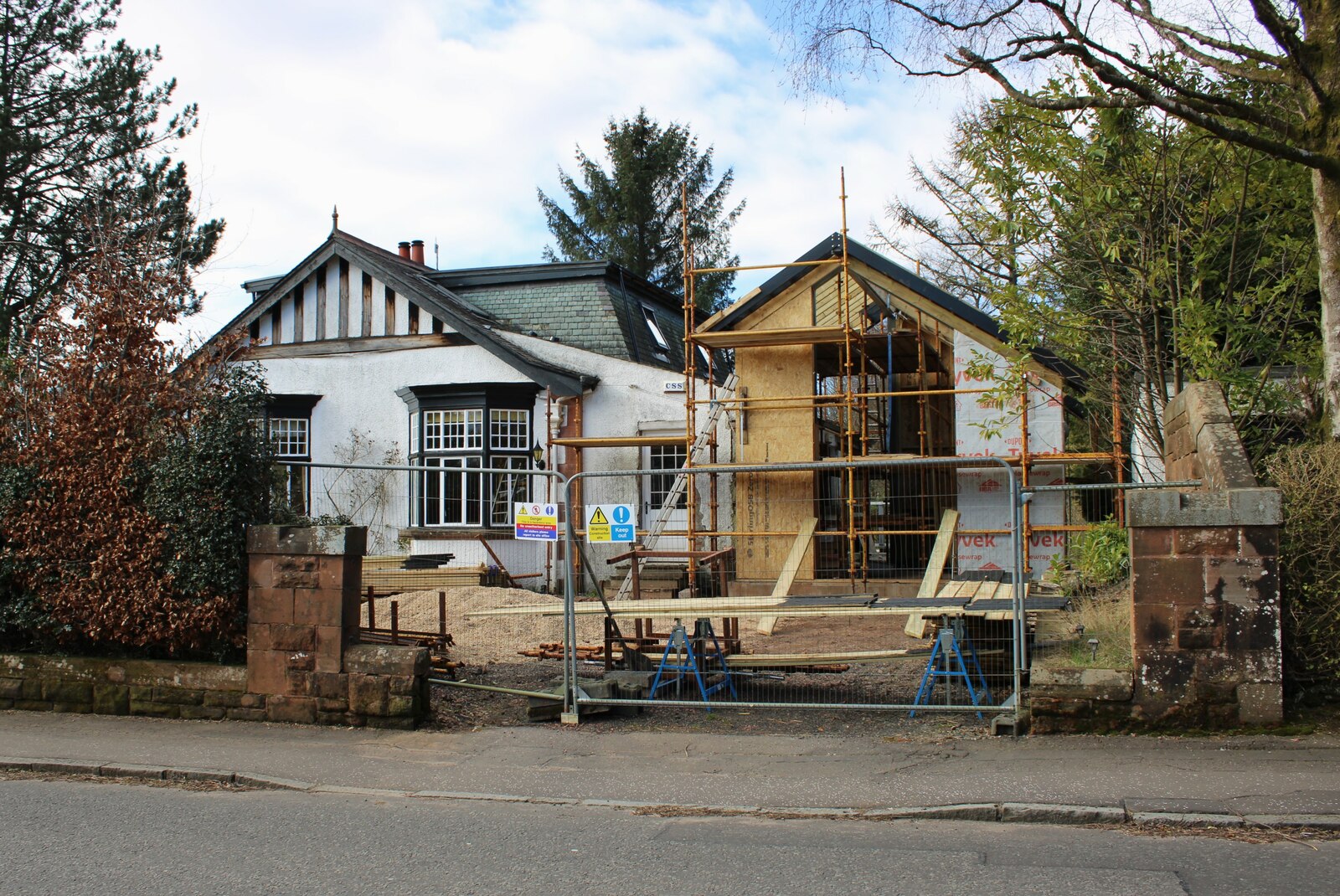
Your zoning by-law sets limits on lot coverage and how close you can build to property lines. If your plan exceeds those limits, you may need a minor variance from your city’s committee of adjustment, which adds time.
Going up: second storeys and lofts
Adding a loft or dormers
Turning part of the attic into living space creates a bungaloft-style home. It can add a bedroom and bathroom with less disruption than a full second floor. You’ll need a proper staircase, insulation and possibly new roof framing. See bungalofts for sale for examples of the finished result.
Adding a full second storey
This adds the most space but is the biggest project. An engineer must confirm the foundation and walls can carry the new load. Many families move out during construction, so budget for rent and storage too.
Bungalow tip: Compare the cost of a second-storey addition with a full rebuild. For some older homes, our post on tearing down and rebuilding a bungalow may be worth reading first.
Planning steps before you build
- Check zoning. Confirm height, setbacks, lot coverage and unit limits with your municipality.
- Hire a designer or architect. They’ll draw plans that fit the rules and your needs.
- Get structural advice. Essential for second storeys, wall removals and underpinning.
- Apply for permits. Most additions, basement units and structural changes need them.
- Get three quotes. Compare scope, timeline, payment schedule and warranty.
- Arrange financing. Talk to a mortgage agent about refinancing or a home equity line of credit.
Our guide to using home equity for upgrades explains common ways owners fund projects.
Will an addition add value?
More living space often adds value, but not always dollar for dollar. Avoid building far beyond what other homes on your street offer, since buyers compare against the neighbourhood. A free home evaluation before you start can help you set a sensible budget.
Frequently asked questions
Can any bungalow support a second storey?
Not always. The foundation and walls must handle the extra weight, and zoning must allow the height. An engineer’s assessment is the first step.
Do I need a permit to finish my basement?
In most Ontario municipalities, yes, especially if you add bedrooms, plumbing or change structure. Check with your local building department before starting.
How long does a bungalow addition take?
Timelines vary widely with size, permits and contractor schedules. Design and approvals alone can take months, so start planning early.
The bottom line
A bungalow can grow with you. Start with the basement if you need space quickly, add out if one-level living matters most, and build up when you need a lot more room.
Whatever you choose, plan carefully, follow the rules and get professional advice. Done well, an addition lets you stay in the neighbourhood you love.
The newest bungalows on the market
Fresh listings, updated every 15 minutes.
 $729,900118 Alva Street, Scugog3+1 bed · 2 bath · Port PerryCourtesy of Right At Home Realty
 $449,0003 Perch Lane, Norfolk3 bed · 1 bath · Long PointCourtesy of BOSLEY REAL ESTATE LTD.,
 $1,199,00013 Alpine Way, Oro-Medonte1+3 bed · 3 bath · Horseshoe ValleyCourtesy of RIGHT AT HOME REALTY
 $589,0002631 62 Highway, Prince Edward County3+1 bed · 2 bath · Sophiasburg WardCourtesy of Royal LePage ProAlliance Realty
 $459,90044 Barbara Street, Quinte West3+1 bed · 2 bath · Trenton WardCourtesy of Royal LePage Our Neighbourhood Realty
 $575,00038 Habitant Crescent, Whitby3 bed · 2 bath · Lynde CreekCourtesy of DAN PLOWMAN TEAM REALTY INC.