
A sump pump is an electric pump that sits in a pit at the lowest point of your basement and pushes groundwater out and away from your home before it can flood the floor. In Ontario, where spring thaws and heavy summer storms soak the soil, a working sump pump is one of the simplest ways to protect a finished basement.
Key takeaways
- A sump pump removes water that collects around your foundation and pumps it outside.
- Submersible and pedestal pumps are the two main types.
- A battery backup keeps the pump running during power outages.
- Test the pump before spring and after any long dry spell.
- Buyers should check the pump’s age, pit and discharge line during a home inspection.
How does a sump pump work?
Water in the soil around your house drains into weeping tiles, which are perforated pipes along the foundation footing. In many homes, those pipes lead to a pit in the basement floor called a sump pit.
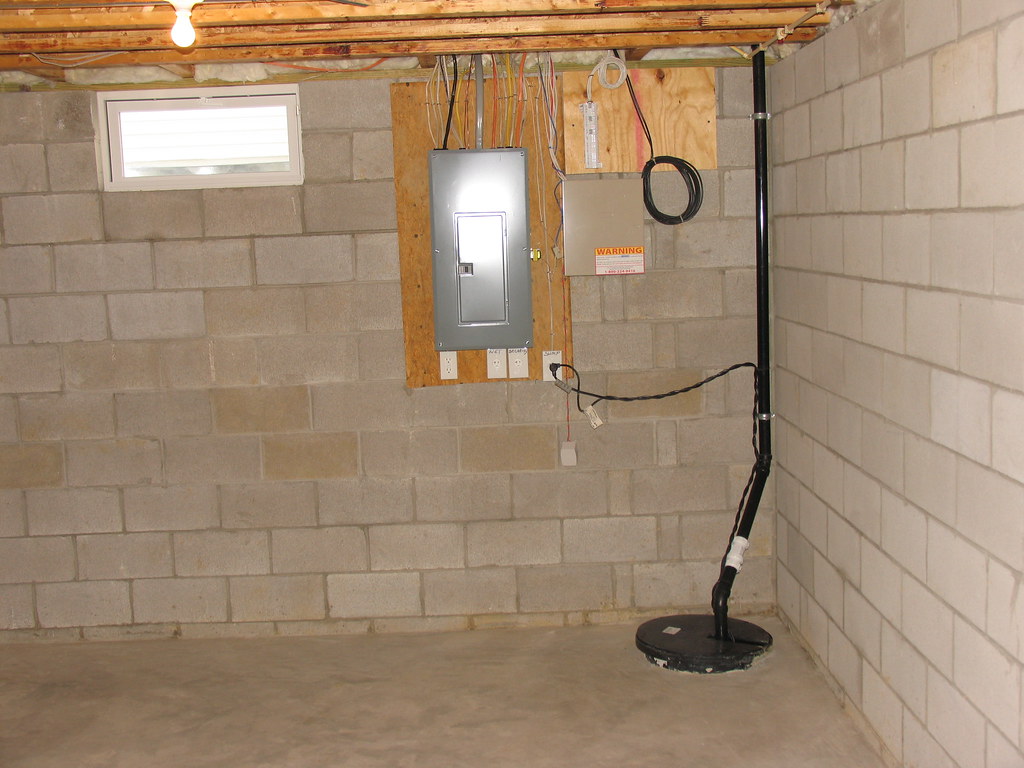
As the pit fills, a float rises. When the water reaches a set level, the float switches the pump on. The pump pushes water up through a pipe and out of the house, usually onto the lawn or into a storm drain area, depending on local rules.
When the water level drops, the float lowers and the pump shuts off. It can run many times a day in a wet spring and not at all in a dry summer.
Types of sump pumps
There are two main types, plus important add-ons.
| Type | Where it sits | Pros | Cons |
|---|---|---|---|
| Submersible | Inside the pit, underwater | Quieter, handles more water, pit can be covered | Harder to service |
| Pedestal | Motor above the pit on a column | Easier to reach and repair | Louder, takes up more space |
| Battery backup | Second pump beside the main one | Runs during power outages | Battery needs regular checks |
| Water-powered backup | Uses municipal water pressure | No battery to maintain | Uses water, needs proper plumbing |
Most finished basements in the GTA use submersible pumps. A backup is worth considering, because storms that cause flooding often knock out power too.
Sump pump vs backwater valve
These two are often confused. A sump pump deals with groundwater outside your foundation. A backwater valve stops sewage from flowing backward into your home through the floor drain when the city sewer overloads.
Many homes benefit from both. Some Ontario municipalities offer basement flooding protection subsidies for these devices, so check your city’s website before you hire a plumber.
Signs your sump pump is failing
Watch for these warning signs:
- The pump runs constantly, even when it isn’t raining.
- It cycles on and off very quickly.
- You hear grinding, rattling or loud humming.
- The pit has standing water but the pump doesn’t start.
- You see rust, a stuck float or visible damage.
- The basement smells musty or has new water stains.
Age matters too. Pumps wear out over time, so many homeowners replace an older unit before it fails rather than wait for a flood. A plumber can tell you whether yours is near the end of its life.
How to test and maintain a sump pump
A quick check takes about ten minutes. Do it before the spring thaw and before the fall rains.
- Make sure the pump is plugged into a working outlet, ideally a GFCI outlet.
- Slowly pour a bucket of water into the pit.
- Watch the float rise and the pump switch on.
- Confirm the water drains quickly and the pump shuts off.
- Go outside and check the discharge pipe is clear and aims away from the house.
Clean debris from the pit once a year. In winter, make sure the outdoor discharge line can’t freeze or get buried under snow.
Bungalow tip: Write the pump’s install date on the pit lid with a marker. It makes maintenance and future resale questions much easier to answer.
Sump pumps in finished basements
Many GTA bungalows have finished basements with flooring, drywall and sometimes a rental suite. That raises the stakes. A pump failure can damage much more than a bare concrete floor.
If your basement is finished, keep the sump pit accessible behind a removable panel, not sealed behind drywall. Consider a high-water alarm that sounds or sends a phone alert when the pit gets too full. If you rent out the basement, make sure your tenants know where the pump is and who to call if the alarm goes off.
What buyers should check
If you’re buying a bungalow with a finished basement, the sump pump deserves attention. Ask the sellers:
- How old is the pump, and has it ever been replaced?
- Is there a battery backup or backwater valve?
- Has the basement ever taken on water?
- Where does the discharge line drain?
Your home inspector will look at the system too. Learn more in our post on how home inspections can make or break your bungalow deal, and use our list of questions to ask when viewing a house.
Also talk to your insurance broker. Water damage coverage varies, and some policies treat sewer backup and overland flooding separately.
Frequently asked questions
Does every house need a sump pump?
No. Homes on high, well-drained lots may never need one. Houses with basements in areas with high water tables, clay soil or past flooding benefit the most.
Can a sump pump drain into the sewer?
Many Ontario municipalities don’t allow sump discharge into the sanitary sewer. Check your city’s rules and have a licensed plumber set up the discharge correctly.
How often should I test my sump pump?
Test it at least before the spring thaw and the fall rainy season, and after any long dry spell. Testing takes only a few minutes with a bucket of water.
The bottom line on sump pumps
A sump pump is a small, often forgotten machine that protects one of your home’s biggest investments: the basement. Know where it is, test it twice a year and plan for a backup.
Add it to your seasonal routine with our bungalow maintenance checklist, and keep it in mind when you compare homes in our buyers guide.
The newest bungalows on the market
Fresh listings, updated every 15 minutes.
 $938,00052 Devins Drive, Aurora3 bed · 2 bath · Aurora HeightsCourtesy of REAL ONE REALTY INC.
 $349,900109 Powerview Avenue, St. Catharines3 bed · 1 bath · 458 - Western HillCourtesy of ROYAL LEPAGE NRC REALTY
 $999,00022 Avondale Crescent, Aurora4 bed · 3 bath · Aurora VillageCourtesy of RE/MAX HALLMARK REALTY LTD.
 $819,9002409 Whaley Drive, Mississauga3 bed · 2 bath · CooksvilleCourtesy of SUTTON GROUP - SUMMIT REALTY INC.
 $839,900145 Emma Street, Guelph3 bed · 2 bath · General HospitalCourtesy of Royal LePage Royal City Realty
 $829,90019 Palton Avenue, Kanata3 bed · 2 bath · 9008 - Kanata - Morgan's Grant/South MarchCourtesy of ROYAL LEPAGE TEAM REALTY