Toronto is widely regarded as one of the most diverse cities in the world. People from nearly every country call it home, and you can hear dozens of languages on a single subway ride. That diversity shapes the city’s neighbourhoods, food, festivals and even the kinds of homes buyers look for.
Key takeaways
- Toronto’s cultural neighbourhoods give the city its character and community feel.
- Festivals, food and faith communities make it easier for newcomers to feel at home.
- Diversity extends across the GTA, including Mississauga, Brampton, Markham and Scarborough.
- When you buy, being near your community’s services can matter as much as the house.
What makes Toronto so diverse?
Toronto has welcomed newcomers for generations. Waves of immigration from Europe, the Caribbean, South Asia, East Asia, Africa, Latin America and the Middle East have each left their mark.
The city’s official motto, “Diversity Our Strength,” reflects how central this is to local identity. Public services, schools and community agencies offer support in many languages, and cultural groups are part of everyday civic life.
Toronto’s cultural neighbourhoods
Many Toronto neighbourhoods carry the influence of the communities that settled there. Some well-known examples:
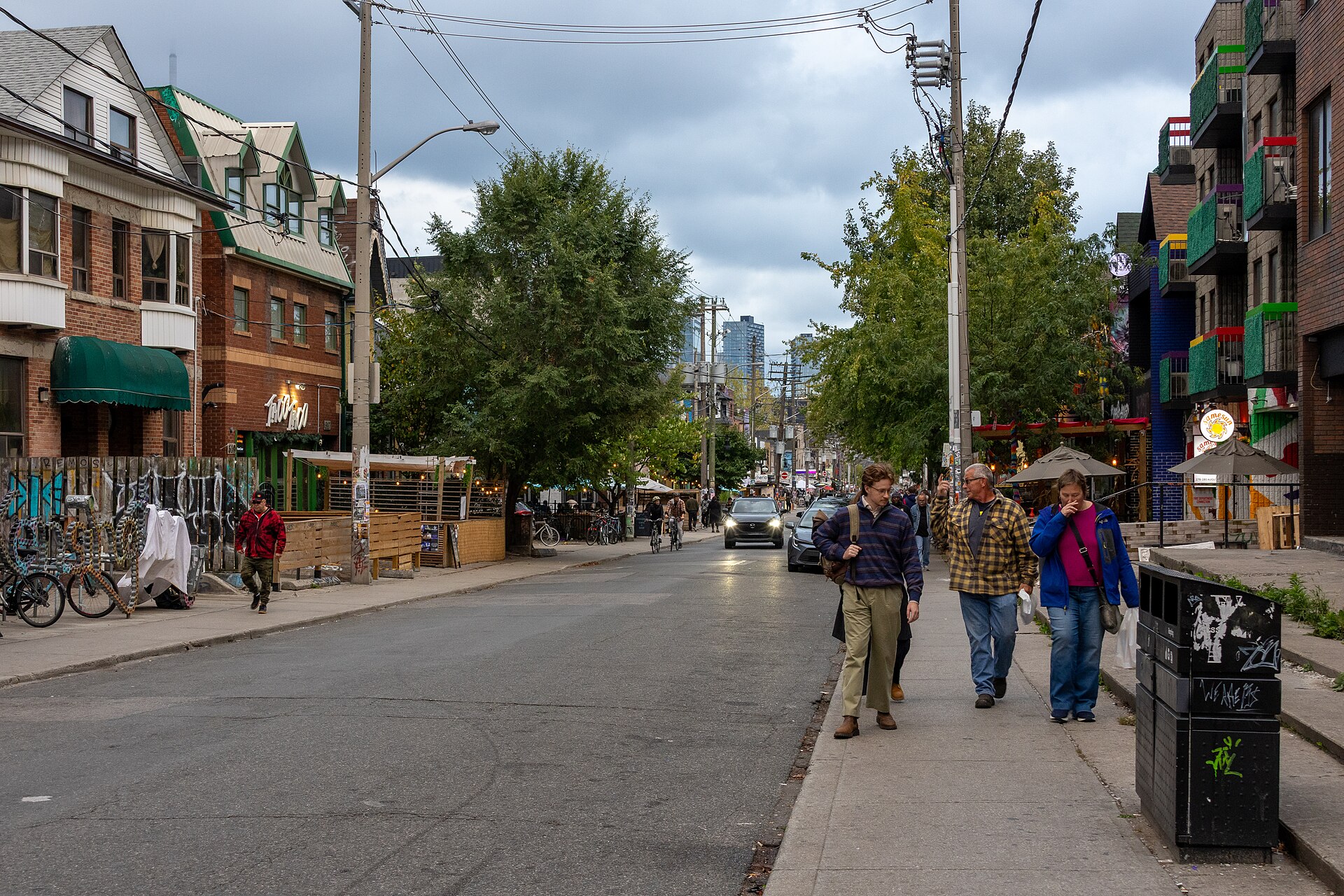
- Chinatown along Spadina Avenue, plus East Chinatown on Gerrard Street East.
- Little Italy on College Street and Corso Italia on St. Clair West.
- Greektown on the Danforth.
- Gerrard India Bazaar in the east end.
- Koreatown along Bloor Street West.
- Little Portugal on Dundas Street West.
- Little Jamaica along Eglinton Avenue West.
Neighbourhoods also change over time. Many of today’s busy cultural strips were once home to entirely different communities, and that layering is part of what makes the city interesting.
Food, festivals and faith communities
Diversity is easiest to see, and taste, in Toronto’s food. You can eat your way around the world without leaving the TTC network, from dim sum and jerk chicken to pho, pupusas, injera and roti.
Annual festivals
The city’s calendar is packed with cultural celebrations. The Toronto Caribbean Carnival, Taste of the Danforth, Pride Toronto, Lunar New Year events and Diwali celebrations draw huge crowds. Local street festivals happen almost every summer weekend.
Places of worship
Churches, mosques, synagogues, temples, gurdwaras and other places of worship are spread across the city and suburbs. For many families, being close to their faith community is a top priority when choosing a home.
Diversity across the GTA, not just downtown
Toronto’s diversity doesn’t stop at the city line. Many of the region’s most multicultural communities are in the suburbs, where bungalows and detached homes are more common.
| Area | What you’ll find |
|---|---|
| Scarborough | Large South Asian, Chinese, Filipino, Tamil and Caribbean communities, many 1950s–70s bungalows |
| North York | Korean, Persian, Jewish, Filipino and Italian communities, mature bungalow streets |
| Mississauga | South Asian, Polish, Middle Eastern and Filipino communities, plus many backsplits and sidesplits |
| Brampton | Large Punjabi and South Asian communities, plus Caribbean and African communities |
| Markham | Large Chinese and South Asian communities, older bungalow pockets and newer subdivisions |
This is only a broad sketch. Every neighbourhood is a mix, and it keeps changing.
Bungalow tip: Bungalows with a separate entrance are popular with multigenerational households, which are common in many of Toronto’s cultural communities. A separate lower-level suite can give grandparents or adult children their own space.
Why diversity matters when you’re buying a home
Where you live shapes your daily routine. When you’re comparing neighbourhoods, think about the things that help you feel at home:
- Grocery stores and restaurants that carry the foods you cook.
- Your place of worship and cultural centres.
- Schools with language programs or specialty options you want.
- Community agencies and services in your preferred language.
- Family and friends nearby.
Many buyers are also drawn to diverse areas simply because they’re lively, with a wider range of food and events. Mixed neighbourhoods often have a strong sense of community, with long-time owners next to newcomers.
How to explore Toronto neighbourhoods before you buy
Spend time in an area before you commit. Walk the main street on a weekend, visit the local park and grab a meal. Check community event listings to see what goes on throughout the year.
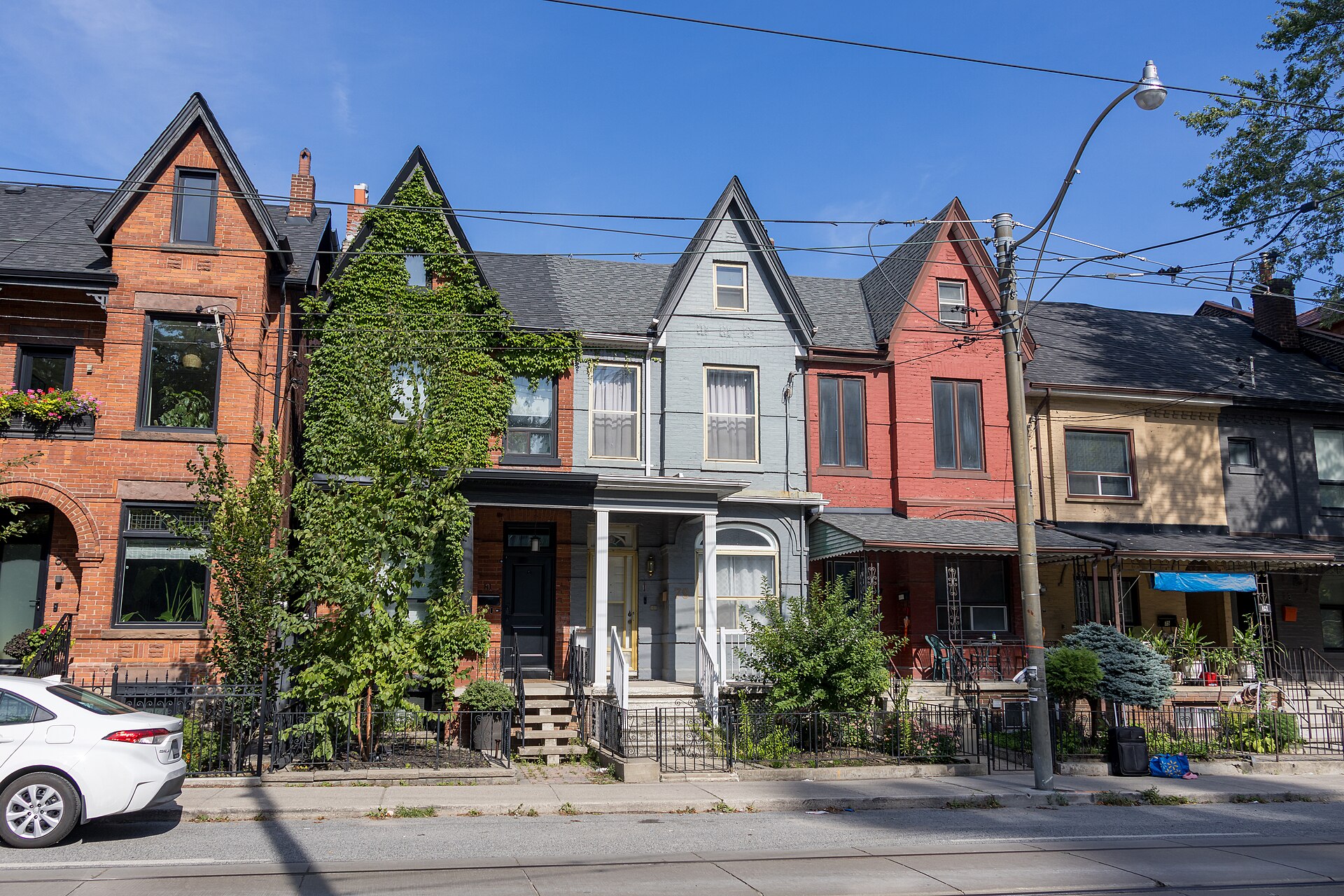
You can start online by browsing Toronto bungalows for sale or nearby areas like Peel Region. For a balanced look at city life, read our post on living in Toronto: pros and cons. If you’re new to buying in Ontario, our buyer’s guide explains each step.
Frequently asked questions
Is Toronto really one of the most diverse cities in the world?
It’s widely described that way. A large share of residents were born outside Canada, and the city is home to communities from almost every country.
Which Toronto neighbourhood is the most multicultural?
There’s no single answer. Areas like Scarborough, North York and much of the inner suburbs are especially mixed, and diversity is found across the whole GTA.
Does living near a cultural community affect home prices?
Demand from a community that wants to live near its schools, services and places of worship can support prices in some pockets. Location, lot size and home condition still matter most.
The bottom line
Diversity is part of Toronto’s identity, and it shows up in every neighbourhood, festival and food court. It’s also a practical factor when you buy: living near your community can make a house feel like home much faster.
Explore a few areas, eat locally, talk to neighbours and choose the community where you see yourself putting down roots.
Bungalows for sale in Toronto, Scarborough and Mississauga
Live listings from the places in this article.
 $1,500,00097 Estelle Avenue, Toronto3+4 bed · 7 bath · Willowdale EastCourtesy of RE/MAX REALTRON REALTY INC.
 $699,0007 Twenty Second Street, Toronto3+3 bed · 3 bath · Long BranchCourtesy of RE/MAX PREMIER INC.
 $1,188,00022 Gatesview Avenue, Toronto3+2 bed · 3 bath · Scarborough VillageCourtesy of CENTURY 21 PARKLAND LTD.
 $1,149,99718 Ivan Road, Toronto3 bed · 3 bath · Centennial ScarboroughCourtesy of HOMELIFE/FUTURE REALTY INC.
 $819,9002409 Whaley Drive, Mississauga3 bed · 2 bath · CooksvilleCourtesy of SUTTON GROUP - SUMMIT REALTY INC.
 $1,299,0003058 Greta Gate, Mississauga3 bed · 2 bath · ApplewoodCourtesy of RE/MAX REALTY SPECIALISTS INC.