Living in Toronto gives you access to Canada’s biggest job market, world-class food and culture, and some of the best hospitals and universities in the country. The trade-offs are high housing costs, traffic and a busy pace of life. For many people, the right answer is Toronto itself, while others find better value in the surrounding GTA suburbs.
Key takeaways
- Toronto’s biggest strengths are jobs, culture, diversity and services.
- Housing costs, traffic and the municipal land transfer tax are the main drawbacks.
- As of August 2026, GTA average prices were down 2.7% year over year.
- Suburbs like Mississauga, Vaughan and Oshawa can offer more space for the money.
The pros of living in Toronto
Jobs and career growth
Toronto is Canada’s financial and business centre. Banking, tech, healthcare, film and TV, education, construction and government all employ large numbers of people. Our post on jobs and opportunities in Toronto goes deeper.
Culture and food
Theatre, live music, sports, festivals and museums run year-round. The food scene reflects the city’s diversity, with excellent cooking from nearly every part of the world.
Healthcare and education
Toronto has major hospitals, research centres and several universities and colleges. Families also have a wide choice of public, Catholic, French-language and private schools.
Green space
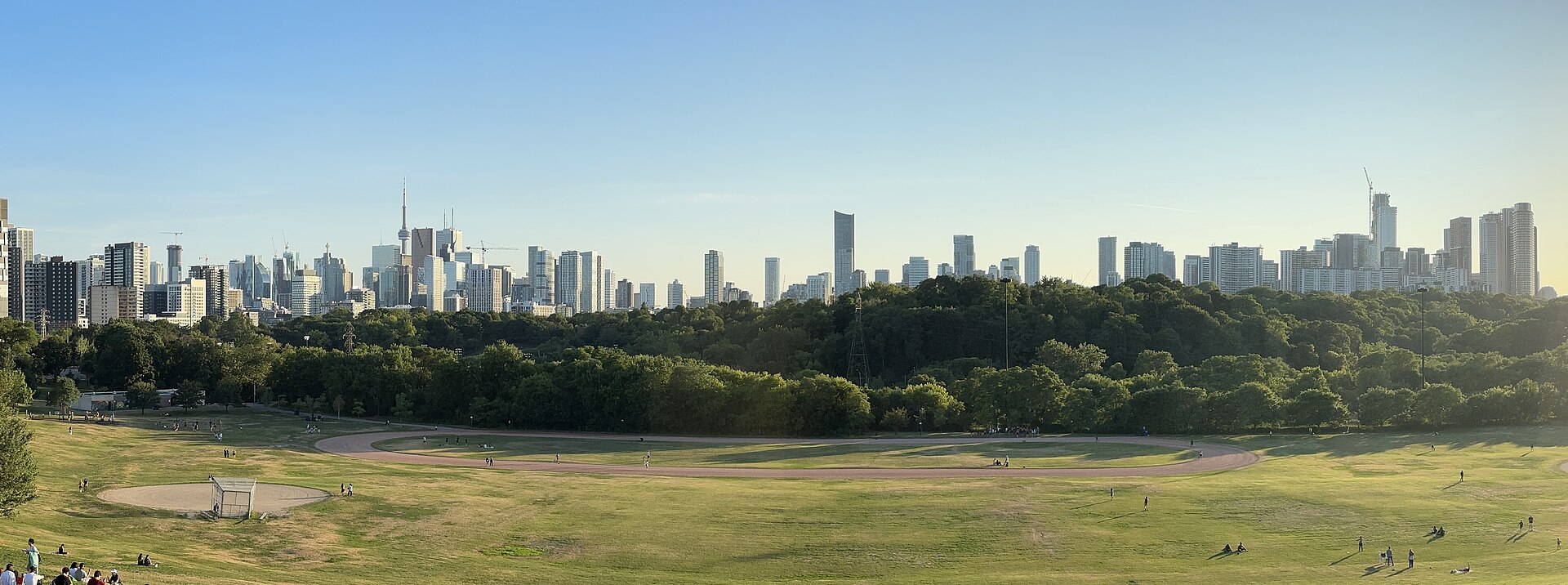
The city has an extensive ravine system, waterfront trails, the Toronto Islands and parks in every neighbourhood. Many bungalow streets back onto ravines or parkland.
Transit
The TTC subway, streetcar and bus network covers much of the city, and GO Transit connects to the wider region. Living car-light is realistic in many areas.
The cons of living in Toronto
Housing costs
Toronto remains one of Canada’s most expensive housing markets. Detached homes, including bungalows, cost far more than in most of Ontario.
The extra land transfer tax
Buyers inside the City of Toronto pay the Municipal Land Transfer Tax on top of Ontario’s land transfer tax. First-time buyers can get a Toronto rebate of up to $4,475 and an Ontario refund of up to $4,000, but the combined cost is still significant.
Traffic and commute times
Congestion on highways and major roads is a daily reality. Construction projects can add delays.
Pace and density
Some people love the energy. Others find it noisy and crowded, especially downtown.
Weather
Winters are cold, grey and long, and summers can be hot and humid. Snow clearing on your own driveway and sidewalk is part of homeowner life.
Everyday costs beyond your mortgage
Housing gets the headlines, but other costs add up. Before you commit to Toronto, budget for:
- Property tax: Toronto’s rate has historically been lower than many 905 cities, but your bill depends on your home’s assessed value.
- Utilities: heating, hydro, water and internet. Older bungalows may cost more to heat if they haven’t been updated.
- Transportation: a monthly transit pass, parking, insurance and fuel if you drive.
- Childcare: often one of the biggest monthly costs for young families.
- Maintenance: older homes need regular upkeep, from roofs to furnaces.
On the plus side, living close to work, transit and shops can mean owning one car instead of two. For many households, that saving offsets part of the higher housing cost.
Toronto vs the suburbs: a quick comparison
| Factor | City of Toronto | GTA suburbs (905) |
|---|---|---|
| Home prices | Higher for detached homes | Often more space for the money |
| Land transfer tax | Provincial plus municipal | Provincial only |
| Transit | Subway, streetcar, bus | GO trains, local buses, more driving |
| Lot sizes | Smaller in older areas | Often larger, especially for bungalows |
| Amenities | Very dense and walkable | Spread out, car-oriented |
Keep in mind these are broad patterns. Inner-suburban areas like Scarborough, Etobicoke and North York offer bungalows on decent lots while still inside the city.
What the market looks like as of September 2026
According to TRREB, the GTA saw 5,057 sales in August 2026, down 2.1% from a year earlier. The average price was $993,410, down 2.7%, and homes took an average of 51 days to sell. New listings fell 14.1%, so supply is tightening as the market moves toward balance.
For buyers, that means more time to compare and negotiate than in the hottest years. Use the mortgage and affordability calculators to see what fits your budget.
Bungalow tip: If you want Toronto living with more yard, look at the inner suburbs. Mature bungalow streets in Etobicoke, Scarborough and North York often sit on larger lots than downtown homes, and many have room for a basement or garden suite.
Who tends to love living in Toronto?
- Young professionals who want short commutes and nightlife.
- Families who value transit, schools and services close by.
- Downsizers who want to walk to shops, clinics and culture.
- Newcomers who want to be near established communities.
People who need lots of space on a tighter budget, or who drive long distances for work, may find a better fit in Durham or Halton.
Frequently asked questions
Is it worth living in Toronto?
For many people, yes, especially if your work, family or community is there. The trade-off is higher housing costs, so compare neighbourhoods and nearby suburbs before deciding.
What is the biggest downside of living in Toronto?
For most people it’s the cost of housing. Traffic and the extra municipal land transfer tax are other common complaints.
Is it cheaper to live outside Toronto?
Often, especially for detached homes, and you avoid the municipal land transfer tax. Commuting costs and time can offset some savings, so factor them in.
The bottom line
Toronto offers more opportunity, culture and convenience than anywhere else in Canada, but you pay for it. Weigh what you’d use day to day against the cost and the commute.
Not sure where you fit? Try our bungalow swipe tool to see which homes and areas you’re drawn to.
Bungalows for sale in Toronto, Scarborough and North York
Live listings from the places in this article.
 $2,990,00061 Highland Crescent, Toronto2+1 bed · 2 bath · Bridle Path-Sunnybrook-York MillsCourtesy of RE/MAX REALTRON BARRY COHEN HOMES INC.
 $1,299,00085 Pegasus Trail, Toronto4+2 bed · 3 bath · WoburnCourtesy of iCloud Realty Ltd.
 $1,188,00022 Gatesview Avenue, Toronto3+2 bed · 3 bath · Scarborough VillageCourtesy of CENTURY 21 PARKLAND LTD.
 $1,149,99718 Ivan Road, Toronto3 bed · 3 bath · Centennial ScarboroughCourtesy of HOMELIFE/FUTURE REALTY INC.
 $849,9005 Bradbrook Road, Toronto3 bed · 2 bath · Islington-City Centre WestCourtesy of RE/MAX PROFESSIONALS INC.
 $1,248,00036 Kamloops Drive, Toronto3+1 bed · 3 bath · Pleasant ViewCourtesy of RE/MAX REALTY SPECIALISTS INC.