The main difference between hardwood and laminate is what they’re made of: hardwood is solid natural wood that can be sanded and refinished, while laminate is a fibreboard core topped with a printed image of wood and a tough clear wear layer. Hardwood lasts longer and appeals more to buyers, while laminate costs less, resists scratches and installs faster.
Key takeaways
- Hardwood is real wood and can be refinished several times over its life.
- Laminate is a printed layer over fibreboard and can’t be refinished.
- Laminate resists scratches well, but standing water can swell its core.
- Hardwood generally carries more resale appeal in main living areas.
- Choose by room: traffic, moisture and budget all matter.
What is hardwood flooring?
Solid hardwood is cut from a single piece of wood, such as oak, maple or hickory. Each plank is thick enough to be sanded down and refinished, which means a worn floor can look new again.
Hardwood is common in older GTA bungalows. Many postwar homes still have original oak under carpet or vinyl. Uncovering and refinishing it can be one of the best-value upgrades in a bungalow.
The downsides are cost, sensitivity to moisture and a softer surface that can dent and scratch.
What is laminate flooring?
Laminate is a manufactured product built in layers. A dense fibreboard core is topped with a high-resolution image of wood, then sealed with a hard, clear wear layer.
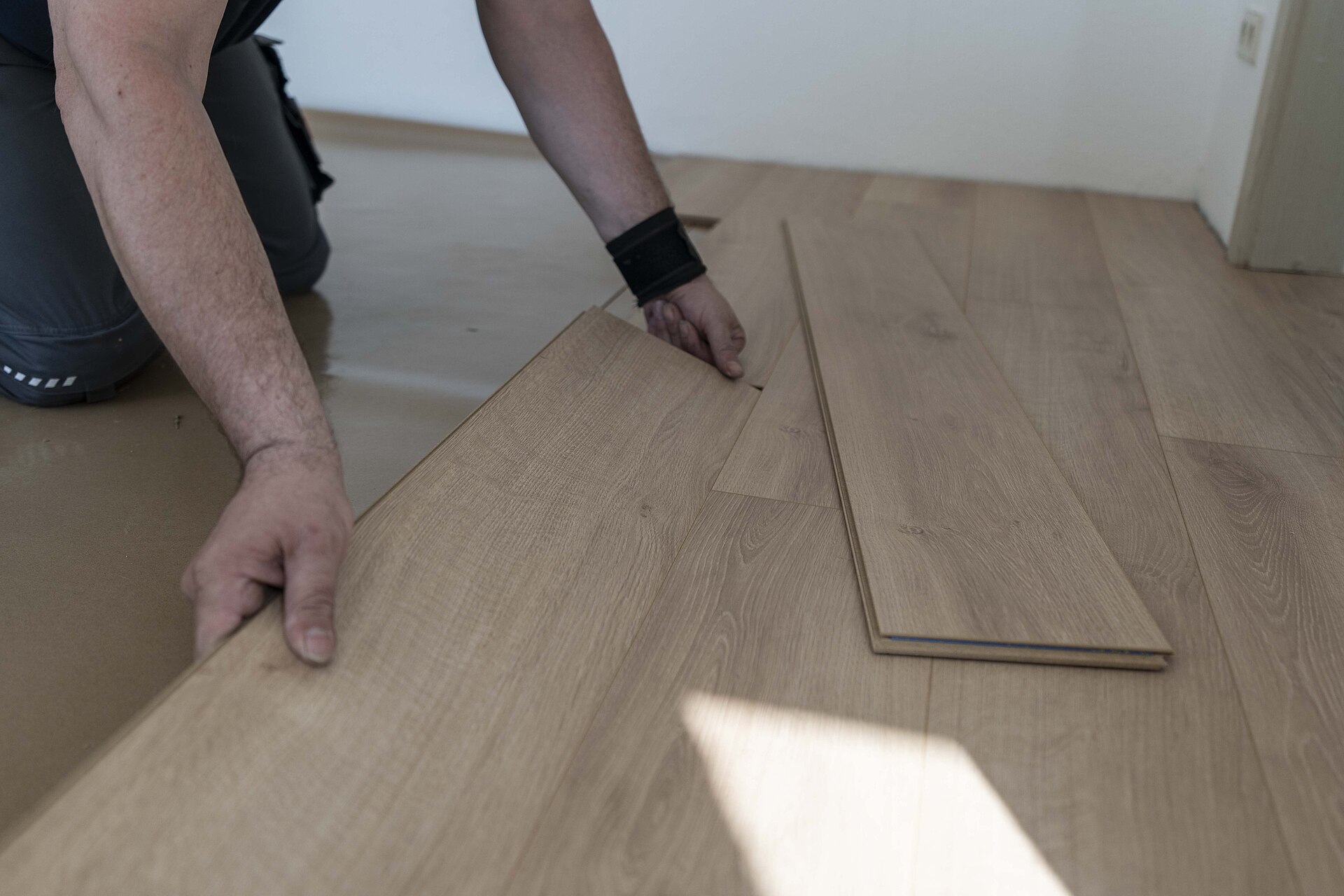
Modern laminate looks far more realistic than older versions. It’s popular in basements, rentals and busy family homes because it’s affordable and tough on the surface.
Its limits are moisture and lifespan. Once the wear layer is damaged, it can’t be sanded or refinished. The board needs to be replaced.
Hardwood vs laminate at a glance
| Feature | Hardwood | Laminate |
|---|---|---|
| Material | Solid natural wood | Fibreboard core with printed wood image |
| Look and feel | Authentic grain, warm underfoot | Realistic look, can feel harder or sound hollow |
| Scratch resistance | Moderate, softer species dent easily | High, wear layer resists scratches |
| Water resistance | Low, can warp or cup | Low to moderate, core can swell |
| Refinishing | Can be sanded and refinished | Cannot be refinished |
| Installation | Usually nailed, best done by a pro | Floating click-lock, DIY-friendly |
| Upfront cost | Higher | Lower |
| Resale appeal | Strong in living areas | Neutral to positive in basements and rentals |
Which is better for each room?
Living room, dining room and hallways
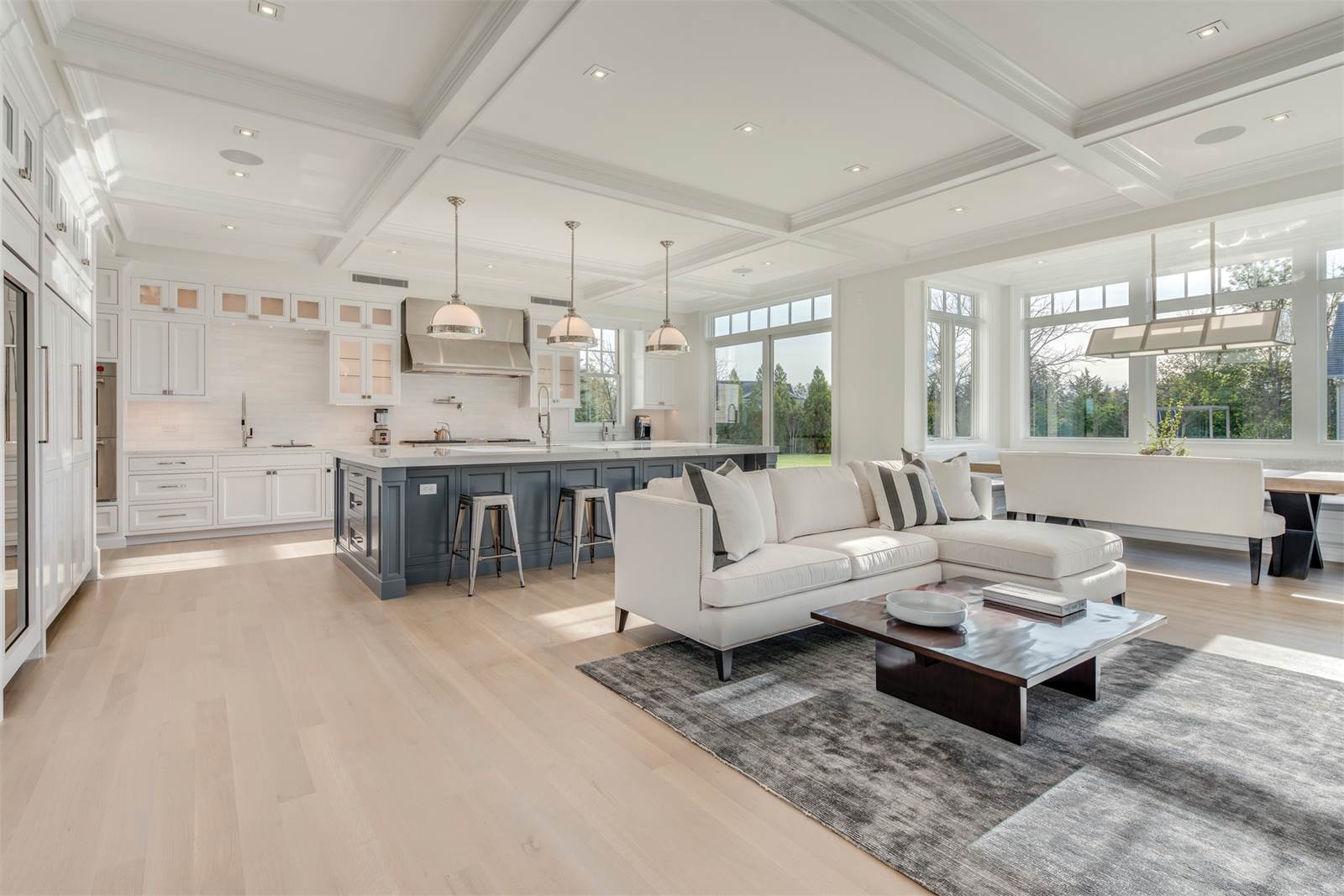
Hardwood is usually the top choice here. These rooms set the tone for buyers, and real wood photographs well and feels premium. If budget is tight, a high-quality laminate can still look good.
Bedrooms
Both work well. Many buyers prefer hard surfaces in bedrooms today, but some still like carpet for warmth. We cover this question in detail in hardwood or carpet in bedrooms.
Kitchens
Laminate’s scratch resistance helps, but spills can damage either floor. If you choose wood, wipe up water quickly. Many owners pick tile or a waterproof vinyl plank instead.
Basements
Solid hardwood is generally not recommended below grade because of moisture. Laminate with a proper underlay can work in a dry basement. Waterproof vinyl is often a safer bet.
Bungalow tip: In an older bungalow, lift a corner of carpet inside a closet before you buy new flooring. Original hardwood may be hiding underneath and only need refinishing.
What about engineered hardwood?
Engineered hardwood sits between the two. It has a real wood top layer bonded to a stable plywood core. It handles humidity better than solid hardwood and can often be refinished once or twice, depending on the top layer’s thickness.
It’s a good option for condos, basements over concrete and homes with in-floor heating. Read our full breakdown of engineered wood flooring pros and cons.
Caring for hardwood and laminate floors
Both floors last longer with simple habits. The routines are similar, with a few key differences.
- Dust and grit: sweep or vacuum often, because grit acts like sandpaper on any finish.
- Mopping: use a barely damp microfibre mop. Never pour water directly on either floor.
- Cleaners: use a product made for your floor type. Avoid oil soaps and wax on laminate.
- Furniture: add felt pads to chair and table legs.
- Entrances: put mats at every door, especially through Ontario’s salty winters.
Hardwood has one big advantage here. When the finish wears, you can screen and recoat it or fully sand and refinish it. With laminate, a deep scratch means swapping the damaged plank.
Cost and resale: what to consider
Laminate has a lower upfront cost and cheaper installation. Hardwood costs more but can last for generations with refinishing.
For resale, hardwood in main living areas is a selling feature in many Ontario markets. Laminate is widely accepted, especially in basements, rentals and entry-level homes. Prices vary a lot by product and installer, so get at least three quotes.
Frequently asked questions
Is laminate cheaper than hardwood?
Yes, laminate usually costs less to buy and install. Hardwood costs more upfront but can be refinished and may last much longer.
Can you tell the difference between hardwood and laminate?
Often, yes. Laminate repeats its printed pattern and can sound hollow underfoot, while hardwood has unique grain and a solid feel. High-end laminate is getting harder to spot.
Does laminate flooring hurt resale value?
Not usually. It’s widely accepted, especially in basements and rentals. In main living areas of higher-priced homes, buyers often expect hardwood.
Can laminate get wet?
Standard laminate handles small spills that are wiped up quickly, but standing water can swell the core. Water-resistant laminate products offer more protection.
The bottom line on hardwood vs laminate
Choose hardwood when you want long-term value, refinishing potential and premium appeal. Choose laminate when budget, scratch resistance and quick installation matter most.
Once your floors are in, keep them looking great with our guide on how to make wooden floors shine.
The newest bungalows on the market
Fresh listings, updated every 15 minutes.
 $749,00011 SWAN Drive, St. Catharines4+3 bed · 3 bath · 461 - Glendale/GlenridgeCourtesy of CENTURY 21 PEOPLE`S CHOICE REALTY INC.
 $3,199,0004958 Wellington Road 125, Erin3+1 bed · 4 bath · Rural ErinCourtesy of ROYAL LEPAGE MEADOWTOWNE REALTY
 $649,900229 Phillip Murray Avenue, Oshawa3+1 bed · 2 bath · LakeviewCourtesy of DAN PLOWMAN TEAM REALTY INC.
 $769,90050 Leonard Road, Tiny3 bed · 2 bath · Rural TinyCourtesy of RE/MAX Georgian Bay Realty Ltd
 $819,900402 South Coast Drive, Haldimand1+2 bed · 2 bath · NanticokeCourtesy of ROYAL LEPAGE BURLOAK REAL ESTATE SERVICES
 $489,00039 Chamberlain Crescent, Penetanguishene2 bed · 2 bath · PenetanguisheneCourtesy of RE/MAX Georgian Bay Realty Ltd