Moving from a condo to a bungalow gives you a yard, more privacy and one-level living, but it also hands you the jobs your condo board used to handle. The smoothest moves start with three things: a clear budget for ownership costs, a plan for selling and buying in the right order, and an honest look at how much upkeep you want.
Key takeaways
- Condo fees disappear, but utilities, insurance, repairs and snow removal become yours.
- Decide early whether you will sell first, buy first or line up both closings.
- A bungalow’s mortgage qualification works the same way as a condo’s, including the stress test.
- Budget for closing costs and a repair fund before you set your price range.
- Tour bungalows with an eye on roof, windows, furnace and drainage, not just finishes.
Why condo owners move to bungalows
Most condo-to-bungalow moves come down to space. A growing family needs a yard and a second bathroom. A couple working from home wants a real office. A downsizer from a big house who tried a condo misses having a garden.
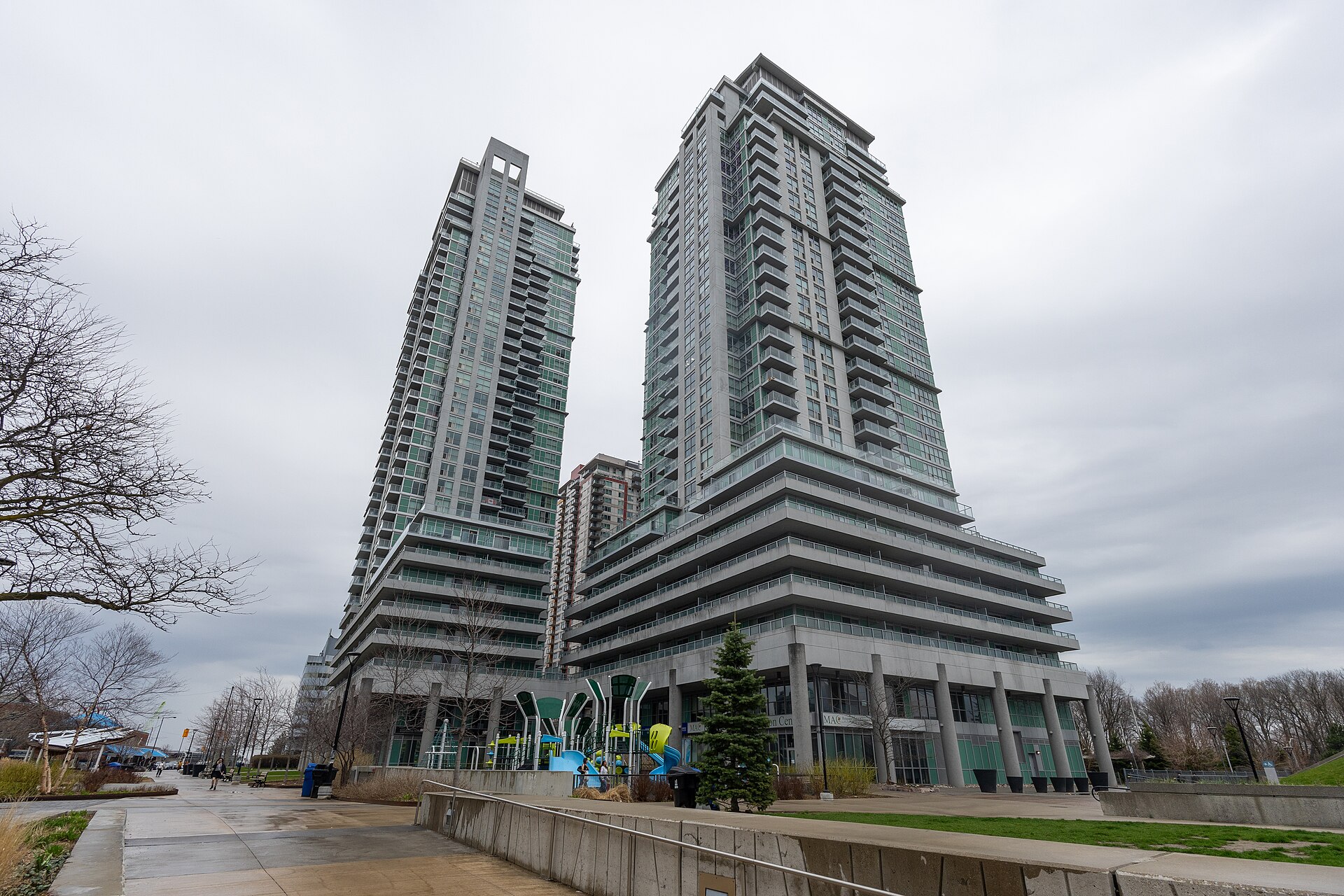
Bungalows suit these buyers because everything happens on one floor. You get the ease of condo living without elevators, shared walls or waiting for a parking spot. Many GTA bungalows also have a full basement that can become a rec room, guest suite or income unit.
The trade-off is responsibility. In a condo, the corporation handles the roof, the lobby and the snow. In a detached bungalow, all of that is yours.
How the monthly budget changes
Your mortgage payment is only one piece of the picture. Here’s how the main costs usually shift when you move from a condo to a freehold bungalow.
| Cost | Condo | Detached bungalow |
|---|---|---|
| Maintenance fees | Monthly, covers common areas and reserve fund | None, but you fund your own repairs |
| Utilities | Some may be included in fees | Heat, hydro, water and gas are all yours |
| Home insurance | Unit owner’s policy | Full replacement policy for the whole building |
| Exterior repairs | Paid by the corporation | Roof, windows, driveway and siding are on you |
| Snow and lawn | Handled by management | Your time or a contractor |
A good habit is to set aside money every month for future repairs, the same way a condo puts money into its reserve fund. Treat it as a bill, not a nice-to-have.
Bungalow tip: Ask the sellers for recent utility bills and the ages of the roof, furnace and water heater. Those answers tell you more about future costs than the listing photos ever will.
Selling your condo and buying a bungalow: the timing
You have three basic options, and each carries a different kind of risk.
Sell first
You know exactly how much equity you have, and you shop with confidence. The risk is a gap between closings, which can mean a short-term rental or staying with family.
Buy first
You lock in the bungalow you love. The risk is carrying two homes if the condo takes longer to sell. Some lenders offer bridge financing to cover the gap, so ask about it before you write an offer.
Line up both closings
This is the goal for most movers. You negotiate closing dates that sit a few days apart. It takes planning, but it keeps costs and stress down.
Whichever you choose, start by finding out what your condo is worth today. A free home evaluation gives you a realistic starting number, and our sellers guide walks through pricing and prep.
Qualifying for the bungalow mortgage
The rules don’t change because the property type changes. As of September 2026, you still need to pass the stress test, which means qualifying at the higher of your contract rate plus 2% or 5.25%.
Your down payment rules also stay the same. The minimum is 5% on the first $500,000 and 10% on the portion from $500,000 to $1,499,999. At $1.5 million and up, you need 20% down.
If you’re selling a condo, your equity often covers much more than the minimum. Speak with a mortgage agent before you shop so you know your real budget. Don’t forget closing costs, which often run 1.5% to 4% of the price on top of your down payment. Land transfer tax is the biggest piece, and Toronto buyers pay a second municipal tax as well.
What to look for when you tour bungalows
Condo buyers are used to checking finishes and the building’s status certificate. With a bungalow, you’re buying the whole structure. Focus on:
- Roof: age, curling or missing shingles, and any stains on the ceilings below.
- Windows: fogged glass, drafts or soft frames.
- Mechanicals: the age of the furnace, air conditioner and water heater, and whether any are rentals.
- Basement: water stains, a working sump pump and grading that slopes away from the house.
- Lot: drainage, mature trees close to the house and the condition of the driveway.
A home inspection is worth every dollar on a detached home. Use our list of questions to ask when viewing a house to keep showings focused.
Settling into detached living
The first year in a bungalow is a learning curve. Build a simple calendar so jobs don’t sneak up on you. Clean gutters in spring and fall, service the furnace before winter and test the sump pump before the spring thaw.
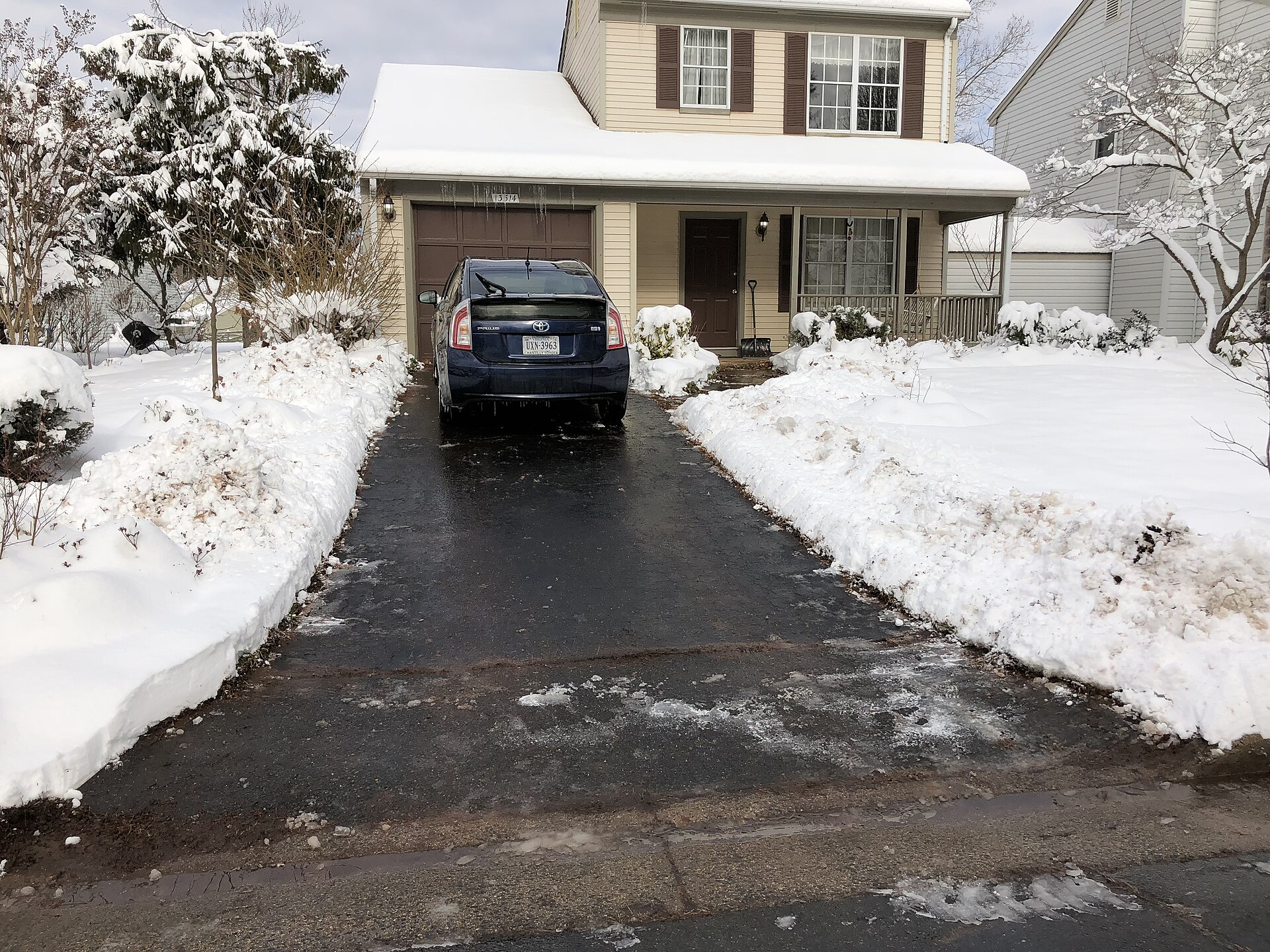
Line up help early. Find a snow removal service, a handyperson and a plumber before you need them. Neighbours are often the best source of names.
Finally, enjoy what you moved for. A garden, a barbecue that doesn’t need board approval and a quiet street are real lifestyle wins.
Frequently asked questions
Is a bungalow more expensive to own than a condo?
It depends on the condo fees you’re leaving behind. You lose the monthly fee but take on utilities, insurance and all repairs, so build a repair fund into your budget.
Should I sell my condo before buying a bungalow?
Selling first gives you certainty about your budget, while buying first secures the home you want. Many movers aim to line up both closings a few days apart.
Do I need a home inspection on a bungalow?
Yes, it’s strongly recommended. Unlike a condo, you’re responsible for the roof, foundation and mechanical systems, so an inspection helps you understand what’s coming.
The bottom line on moving from a condo to a bungalow
A condo to bungalow move trades shared responsibility for space, privacy and control. Go in with a realistic budget, a clear plan for timing the sale, and an inspection on any home you’re serious about.
When you’re ready to look, browse detached bungalows for sale or set up new-listing email alerts so the right home finds you first.
Bungalows for sale in Toronto right now
Live listings from the area this article covers.
 $1,500,00097 Estelle Avenue, Toronto3+4 bed · 7 bath · Willowdale EastCourtesy of RE/MAX REALTRON REALTY INC.
 $699,0007 Twenty Second Street, Toronto3+3 bed · 3 bath · Long BranchCourtesy of RE/MAX PREMIER INC.
 $945,000257 John Tabor Trail E, Toronto3+2 bed · 2 bath · MalvernCourtesy of RE/MAX ATRIUM HOME REALTY
 $1,145,000109 Gulliver Road, Toronto4 bed · 3 bath · Brookhaven-AmesburyCourtesy of RE/MAX REALTY SPECIALISTS INC.
 $1,398,80074 Navaho Drive, Toronto3+4 bed · 3 bath · Pleasant ViewCourtesy of HOMELIFE LANDMARK REALTY INC.
 $2,990,00061 Highland Crescent, Toronto2+1 bed · 2 bath · Bridle Path-Sunnybrook-York MillsCourtesy of RE/MAX REALTRON BARRY COHEN HOMES INC.