
Inclusive interior design means choosing colours, lighting, materials and layouts that work for people with different senses, bodies and needs, including low vision, hearing loss and sensory sensitivity. It focuses on the inside of the home: what you see, hear and touch. A bungalow’s single-level layout gives you a strong start, and the right finishes do the rest.
Key takeaways
- Inclusive design covers sight, hearing and sensory comfort, not just mobility.
- Colour contrast helps people with low vision find edges and surfaces.
- Soft materials and rugs reduce echo for people with hearing loss.
- A calm, predictable layout helps people with sensory sensitivities.
- Ask the people who live in or visit the home what they need.
What makes interior design inclusive?
When people think of accessible homes, they often picture ramps and grab bars. Those matter. But many needs are less visible.
A grandparent with low vision may struggle to see a white counter against white cabinets. A child who is sensitive to noise may find an echoing open-concept room overwhelming. A guest with hearing loss may miss the doorbell.
Inclusive interior design looks at these everyday experiences. It’s practical, and it usually makes a home feel nicer for everyone.
Colour and contrast for low vision
Contrast is one of the most useful inclusive design tools. It helps people see where one surface ends and another begins.
- Counters and cabinets: choose a counter that contrasts with the cabinet below it.
- Floors and walls: a darker floor with lighter walls makes room edges easy to read.
- Doors and frames: paint door frames a different shade than the walls.
- Switches and outlets: pick plates that stand out from the wall.
- Bathrooms: a coloured toilet seat or grab bar against white fixtures helps a lot.
Avoid busy patterns on floors. Bold patterns can look like steps or holes to someone with limited vision.
Lighting that works for everyone
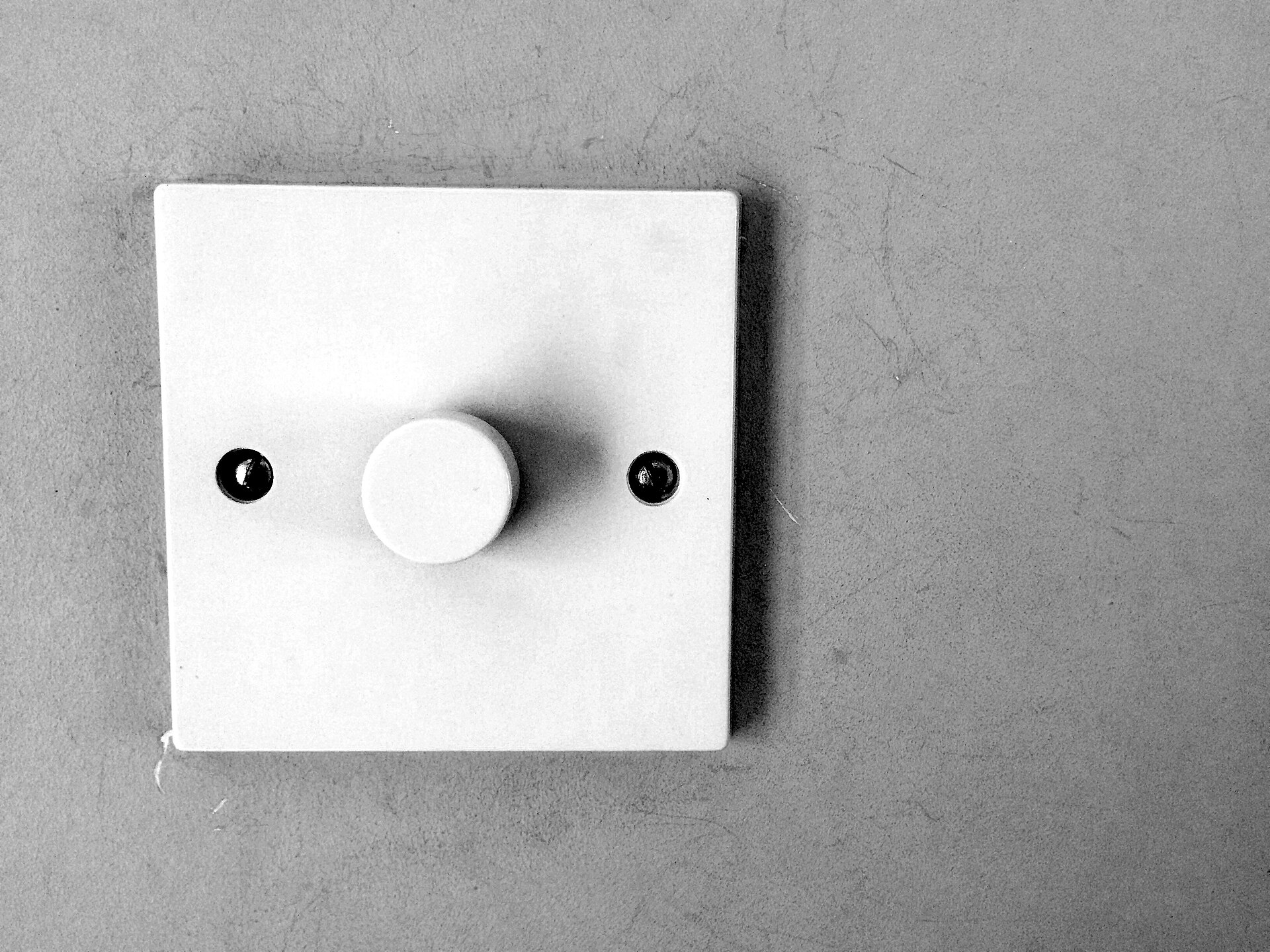
Many older bungalows have one ceiling light per room and dim hallways. Good lighting is a big, affordable upgrade.
Layers of light
Combine overhead, task and accent lighting. Task lights at the kitchen counter, reading chair and bathroom mirror reduce eye strain.
Reduce glare
Glare can be painful for some people. Use matte finishes on floors and counters, frosted bulbs, and sheer curtains to soften direct sun.
Consistent and automatic
Motion-sensor lights in hallways and closets help at night. Keep light levels similar from room to room, since walking from bright to dark can be disorienting.
Sound and acoustics in an open-plan bungalow
Open layouts are popular, but hard surfaces bounce sound around. That makes conversation hard for people with hearing loss or hearing aids.
- Add area rugs with thick pads.
- Use fabric curtains and upholstered furniture.
- Hang acoustic panels or fabric art on large bare walls.
- Arrange seating so people face each other and have light on their faces for lip reading.
- Install visual alerts, like a doorbell or smoke alarm that flashes as well as sounds.
Bedrooms in a bungalow are often down a hallway from the living area. That natural separation helps light sleepers and anyone who needs a quiet space.
Sensory-friendly spaces
Some people, including many neurodivergent children and adults, are sensitive to light, noise, textures or clutter. A few design choices make a home feel calmer.
| Sensory need | Design idea |
|---|---|
| Bright light sensitivity | Dimmers, blackout blinds, warm bulbs |
| Noise sensitivity | Soft furnishings, solid-core doors, a quiet room |
| Visual overload | Closed storage, calm colours, fewer patterns |
| Need for routine | Clear zones for each activity, labelled storage |
| Texture sensitivity | Smooth, soft fabrics and comfortable seating choices |
A small den or spare bedroom can become a calm retreat. A cozy reading nook works well for this too.
Bungalow tip: Ask everyone in the home, including kids and regular visitors, what bothers them about the space. Their answers usually point to the most useful fixes.
Inclusive furniture and layout choices
- Choose chairs with arms and firm seats, which are easier to get in and out of.
- Leave clear, wide paths between furniture.
- Keep furniture in the same place so people with low vision can navigate by memory.
- Use tables with rounded corners.
- Place often-used items at reachable heights for kids and seated users.
For mobility-focused changes, see our guide on universal design principles.
Plan for guests, not only residents
Your home may work well for you but not for a parent, friend or grandchild who visits. Keep a sturdy chair with arms in the living room. Put a night light in the guest room and the bathroom. Make sure the path from the door to the main bathroom is clear and well lit.
These small touches let visitors feel at ease, and they cost very little.
Frequently asked questions
What is the difference between inclusive and universal design?
They overlap. Universal design is a set of principles for spaces anyone can use. Inclusive interior design often focuses on finishes, lighting, sound and layout inside the home, considering different senses and needs.
Is inclusive design expensive?
Many changes are low-cost, like rugs, lighting, contrasting paint and rearranging furniture. Bigger changes can be planned into future renovations.
How do I make a home better for someone with low vision?
Improve lighting, reduce glare, and add contrast between floors, walls, counters and fixtures. Keep paths clear and furniture in consistent places. An occupational therapist can suggest more.
A home that welcomes everyone
Inclusive interior design is about noticing how people actually experience a space. Start with contrast, lighting and sound, then add calm areas where needed.
Looking for a bungalow with a layout that makes these ideas easier? Browse bungalows for sale across Ontario or set up new listing alerts.
The newest bungalows on the market
Fresh listings, updated every 15 minutes.
 $829,90019 Palton Avenue, Kanata3 bed · 2 bath · 9008 - Kanata - Morgan's Grant/South MarchCourtesy of ROYAL LEPAGE TEAM REALTY
 $825,000353 County 25 Road, Greater Napanee3 bed · 2 bath · 58 - Greater NapaneeCourtesy of RE/MAX HALLMARK FIRST GROUP REALTY LTD. , BROKERAGE
 $1,500,00097 Estelle Avenue, Toronto3+4 bed · 7 bath · Willowdale EastCourtesy of RE/MAX REALTRON REALTY INC.
 $450,0004925 SAINT CLAIR Avenue, Niagara Falls1 bath · 210 - DowntownCourtesy of RE/MAX Real Estate Centre Inc
 $949,99918 Highland Park Drive, Hamilton3+1 bed · 2 bath · DundasCourtesy of SUTTON GROUP - SUMMIT REALTY INC.
 $749,000173 Woodhaven Place, Hamilton4 bed · 2 bath · RushdaleCourtesy of RE/MAX EXCEL TITAN