Canada’s foreign buyer ban stops most non-Canadians from buying residential property, including bungalows, in and around Canadian cities. Citizens and permanent residents are not affected, and some temporary residents and other groups are exempt. Even when you can buy, Ontario’s Non-Resident Speculation Tax and other rules can add major costs, so get legal advice before you offer.
Key takeaways
- The federal ban is temporary and has been extended, so always check its current status.
- Canadian citizens and permanent residents can buy freely.
- Ontario charges a Non-Resident Speculation Tax on foreign buyers across the province.
- Non-residents face stricter mortgage rules and special tax steps when they sell.
How does Canada’s foreign buyer ban work?
The federal government introduced a temporary ban on most non-Canadians buying residential property. It has since been extended. Because the end date can change, confirm the current rules with a real estate lawyer before you make any plans.
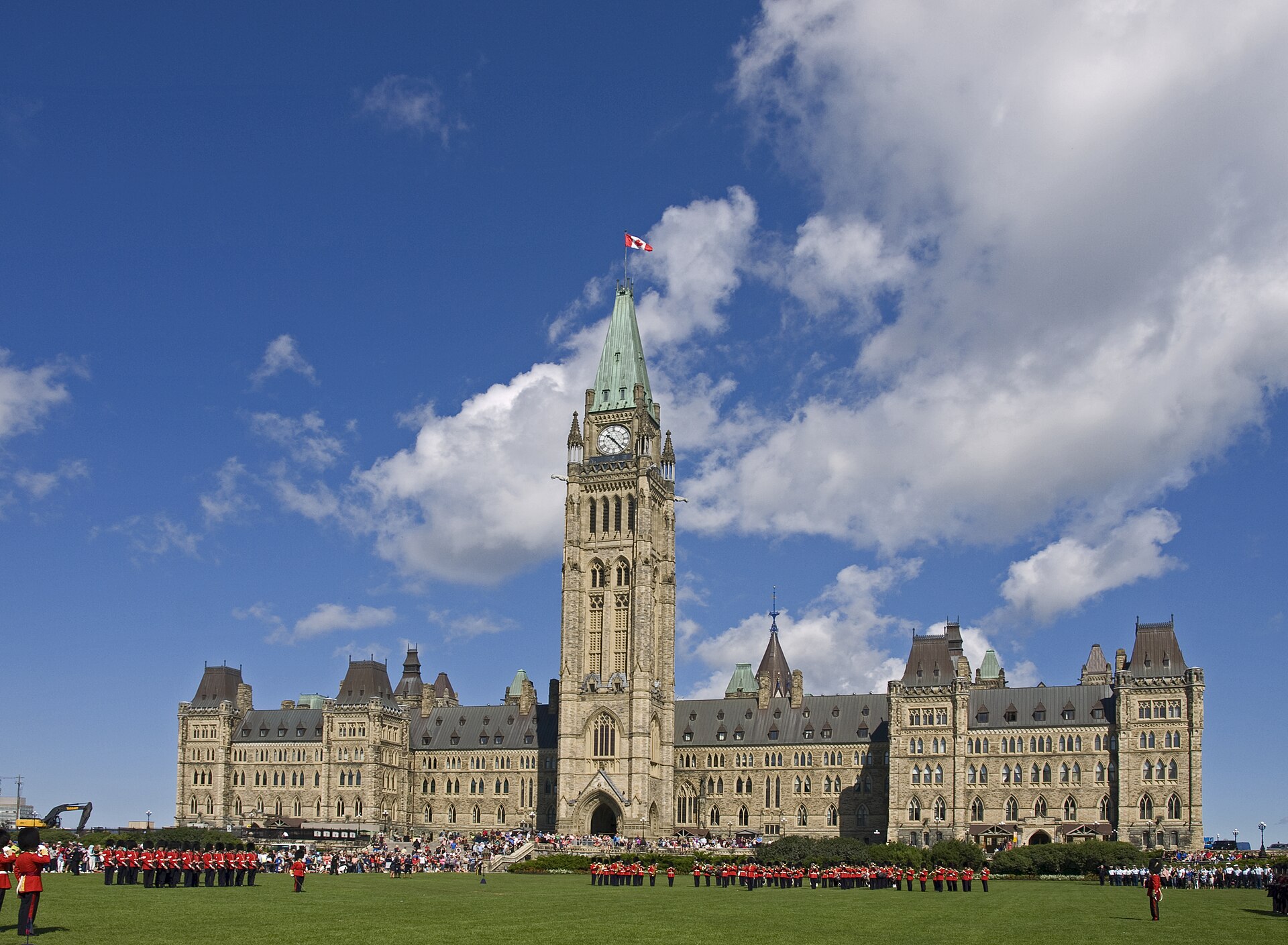
The ban covers homes such as detached houses, semi-detached homes, townhouses and condo units. It applies to property in Canada’s larger urban areas and the communities around them, which includes most of the GTA and Ontario’s major cities.
Who counts as a “non-Canadian”?
Generally, anyone who is not a Canadian citizen, a permanent resident or a registered Indian under the Indian Act. Certain corporations and entities controlled by non-Canadians are also covered.
Who is exempt from the foreign buyer ban?
The rules include several exemptions. Each one comes with conditions, so treat this as a starting point only:
- Permanent residents: not affected by the ban.
- Some temporary workers: those who meet work-permit and tax-filing conditions may qualify.
- Some international students: limited exemptions can apply if specific conditions are met.
- Spouses and common-law partners: a non-Canadian buying with a Canadian citizen or permanent resident partner may be exempt.
- Refugees and protected persons: generally exempt.
- Diplomats and some international organization staff: exempt in many cases.
Properties outside the covered urban areas, such as some rural or cottage-country locations, may also fall outside the ban.
Ontario’s Non-Resident Speculation Tax (NRST)
Even if you’re exempt from the federal ban, Ontario may charge the NRST. It applies across the province when a foreign national, foreign corporation or taxable trustee buys residential property with one to six units.
The NRST is a significant percentage of the purchase price, charged on top of the regular land transfer tax. Some exemptions and rebates exist, such as for certain nominees and people who later become permanent residents. Your lawyer will confirm whether it applies to your purchase.
Bungalow tip: If you’re moving to Ontario and become a permanent resident before you buy, you generally avoid both the ban and the NRST. Timing your purchase around your status can save a large sum.
Other rules that affect non-resident owners
| Rule | Who it affects | What it means |
|---|---|---|
| Underused Housing Tax | Mainly non-resident, non-Canadian owners | A federal annual tax on vacant or underused homes, with filing duties |
| Toronto Vacant Home Tax | All owners of Toronto homes | Annual occupancy declaration; tax if the home sits empty |
| Non-resident seller rules | Owners who live outside Canada when selling | The buyer’s lawyer holds back funds until the CRA issues a clearance certificate |
| Rental income tax | Non-resident landlords | Withholding tax on rent and annual filing requirements |
Can non-residents get a mortgage in Canada?
Yes, but it’s harder. Insured mortgages with low down payments are generally not available to non-residents. Expect lenders to ask for a much larger down payment, proof of income and assets, and sometimes a Canadian bank history.
B lenders and private lenders may be more flexible, but at higher cost. Read our guide to A, B and private lenders to understand your options.
Steps to take before you offer
- Confirm your status. Know whether you’re a citizen, permanent resident or non-Canadian under the rules.
- Get legal advice. A real estate lawyer can confirm whether the ban, an exemption or the NRST applies.
- Talk to a cross-border accountant. Ownership structure affects taxes now and when you sell.
- Arrange financing early. Get a written pre-approval from a lender that works with non-residents.
- Add the right clauses. Your offer should reflect any status or financing conditions.
Once you’re cleared to buy, our buyer’s guide covers the rest of the process, and you can browse bungalows for sale across Ontario.
Moving to Ontario? A practical approach
If you’re relocating for work or family, many people rent first while their status and finances settle. Renting gives you time to learn the neighbourhoods, commute routes and school options before you commit.
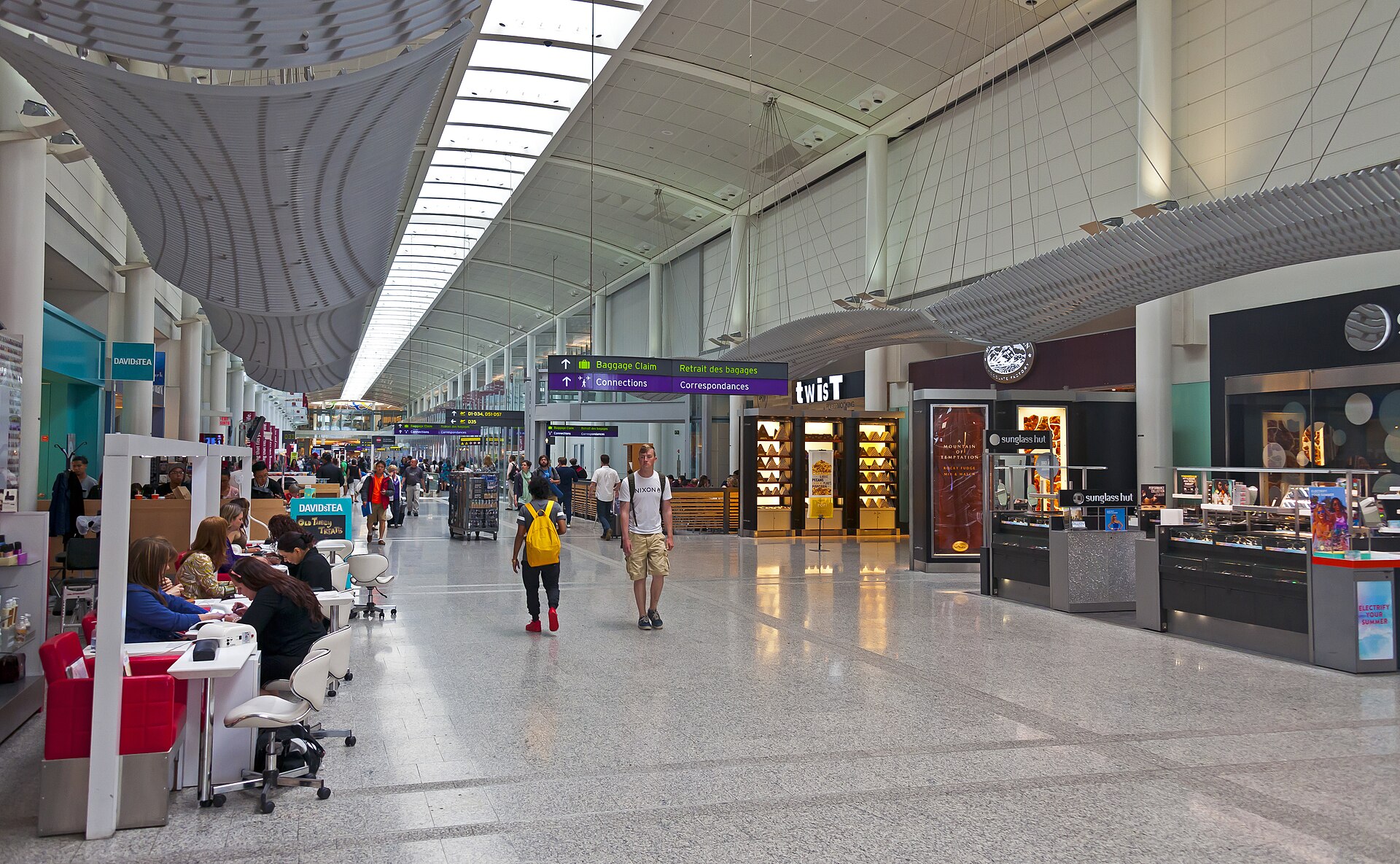
While you rent, set up bungalow listing alerts so you understand prices in the areas you like. When you’re eligible to buy, you’ll be ready to move quickly.
Frequently asked questions
Can a permanent resident buy a bungalow in Ontario?
Yes. Permanent residents are not affected by the federal ban and are generally not subject to the NRST.
Can foreigners buy a cottage or rural property in Ontario?
Properties outside the urban areas covered by the ban may be allowed. The NRST can still apply, so confirm with a lawyer before you offer.
What happens if a non-Canadian buys in breach of the ban?
The law allows for fines and a court-ordered sale of the property. That’s why legal advice before you sign is essential.
Do I pay tax when I sell if I live outside Canada?
Usually, yes. Non-resident sellers need a CRA clearance certificate, and part of the proceeds is held back until it’s issued.
The bottom line
Foreign ownership rules in Canada are strict and can change, so don’t rely on general information alone. Speak with a real estate lawyer and a cross-border accountant before you commit to buying a bungalow in Ontario.
Bungalows for sale in Toronto right now
Live listings from the area this article covers.
 $1,500,00097 Estelle Avenue, Toronto3+4 bed · 7 bath · Willowdale EastCourtesy of RE/MAX REALTRON REALTY INC.
 $699,0007 Twenty Second Street, Toronto3+3 bed · 3 bath · Long BranchCourtesy of RE/MAX PREMIER INC.
 $945,000257 John Tabor Trail E, Toronto3+2 bed · 2 bath · MalvernCourtesy of RE/MAX ATRIUM HOME REALTY
 $1,145,000109 Gulliver Road, Toronto4 bed · 3 bath · Brookhaven-AmesburyCourtesy of RE/MAX REALTY SPECIALISTS INC.
 $1,398,80074 Navaho Drive, Toronto3+4 bed · 3 bath · Pleasant ViewCourtesy of HOMELIFE LANDMARK REALTY INC.
 $2,990,00061 Highland Crescent, Toronto2+1 bed · 2 bath · Bridle Path-Sunnybrook-York MillsCourtesy of RE/MAX REALTRON BARRY COHEN HOMES INC.