Downsizing to a bungalow lets empty nesters trade stairs, extra bedrooms and big-house upkeep for easier one-level living. The key steps are choosing your timing, running the real numbers, deciding whether to buy or sell first, and picking the bungalow style that fits the next 15 to 20 years. Plan it well and you can free up equity while keeping the space you actually use.
Key takeaways
- Downsizing does not always mean a cheaper home, so run the full numbers first.
- Include land transfer tax, legal fees and moving costs in your budget.
- Decide early whether to buy first or sell first, and talk to your lender.
- Choose a bungalow that works for aging in place, not just for today.
- Start decluttering months before you list.
Why empty nesters choose bungalows
Once the kids move out, a two-storey family home can feel like a lot of house. You heat empty bedrooms, climb stairs for laundry and spend weekends on yard work.
A bungalow puts everything you need on one floor. It is easier to clean, easier to maintain and easier to live in as you get older. Many bungalows also have a finished basement for visiting kids and grandkids, a hobby room or storage.
If you are weighing the trade-offs, our post on bungalow pros and cons gives a balanced view.
Step 1: Decide when to move
There is no perfect age to downsize. Many people move while they are still healthy and active, so they can settle into a new community and set up the home on their own terms.
Ask yourselves:
- How many rooms do we use every week?
- Are stairs, snow clearing or yard work becoming a chore?
- Do we want to be closer to family, health care or a lake?
- Will we travel more and want a lock-and-leave home?
Step 2: Run the real numbers
Downsizing in space does not always mean downsizing in price. Detached bungalows are in steady demand across the GTA, and some sell for as much as nearby two-storey homes.
Costs to budget for
| Cost | What to know |
|---|---|
| Ontario land transfer tax | Charged on your purchase, from 0.5% up to 2.0% on the portion between $400,000 and $2 million, and 2.5% above that |
| Toronto municipal land transfer tax | Only applies if the bungalow you buy is inside the City of Toronto |
| Legal fees and disbursements | For both the sale and the purchase |
| Selling costs | Commission, staging, repairs and moving |
| Updates to the new home | Accessibility changes, paint, flooring |
A common rule of thumb is to budget 1.5% to 4% of the purchase price for closing costs, more in Toronto because of the municipal tax. Use our home buying calculators to estimate yours, and ask an accountant how the move fits your retirement plans.
Step 3: Buy first or sell first?
This is the biggest planning decision for most empty nesters.
- Sell first: you know exactly how much you have to spend, but you may need short-term housing.
- Buy first: you secure the bungalow you want, but you may carry two homes for a while.
- Bridge financing: some lenders offer a short-term loan to cover the gap when both deals are firm with different closing dates.
Talk to a mortgage agent before you start shopping. Even if you plan to pay cash, it is useful to know your options. Our seller’s guide explains how to prepare your current home for market.
Bungalow tip: Ask your Realtor about a longer closing on your sale. It can give you time to find the right bungalow without rushing.
Step 4: Pick the right bungalow style
Not every bungalow suits downsizers equally. Think about how you will live there in 15 years, not only next year.
- Detached bungalow: the most flexible choice, with a yard and a basement.
- Bungalow townhome: one-level living with less exterior work.
- Condo bungalow: often in adult-lifestyle communities, with snow and lawn care handled for you.
- Raised bungalow: great value, but stairs at the entry and between levels.
- Bungaloft: main-floor primary bedroom plus a loft for guests.
Look for features that support aging in place, such as a no-step entry, main-floor laundry, wider doorways and a walk-in shower or room to add one. Browse condo bungalows for sale if you want the lowest-maintenance option.
Step 5: Declutter and plan the move
Moving from four bedrooms to two or three means letting go of things. Give yourself months, not weeks.
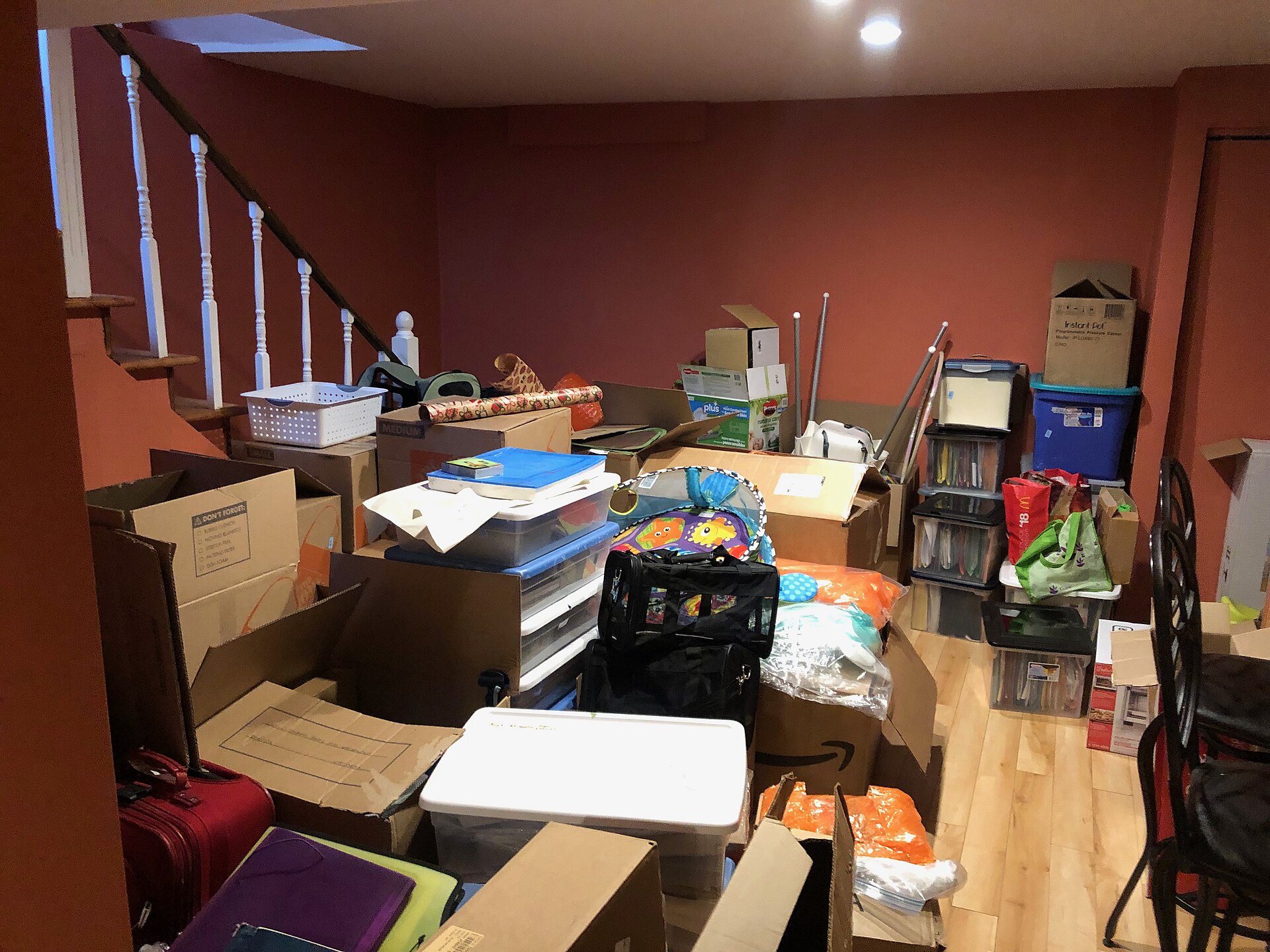
- Measure the rooms in your new bungalow and plan where furniture will go.
- Offer family heirlooms to your kids early.
- Sell, donate or recycle what will not fit.
- Book movers well ahead, especially for summer closings.
For more ideas, see our guide on decluttering before a move.
Frequently asked questions
Is downsizing to a bungalow always cheaper?
No. Detached bungalows in many GTA areas sell for prices close to larger homes. Savings often come from lower upkeep and utility costs rather than a much lower purchase price.
Do downsizers pay land transfer tax again?
Yes. Ontario land transfer tax applies to your new purchase, and Toronto’s municipal tax also applies if you buy in the City of Toronto. First-time buyer refunds generally do not apply to previous owners.
What is the best bungalow style for empty nesters?
Detached bungalows and condo bungalows with a no-step entry are popular choices. The right one depends on whether you want a yard to maintain or a lock-and-leave lifestyle.
The bottom line for empty nesters
Downsizing to a bungalow works best when you plan the finances, the timing and the style together. Start early, get advice and choose a home that will still suit you years from now.