Buying your first bungalow comes down to seven steps: set a budget, save your down payment, get pre-approved, choose the right style, view homes with a checklist, make a protected offer and plan for closing costs. This guide walks you through each step in plain language, with Ontario rules as of September 2026.
Key takeaways
- First-time buyers can put as little as 5% down on the first $500,000 of the price.
- The FHSA and RRSP Home Buyers’ Plan can both help you build a down payment.
- A simple bungalow is easier to inspect, but the roof, basement and wiring still need a close look.
- Budget 1.5% to 4% of the price for closing costs on top of your down payment.
Step 1: Work out what you can afford
Start with your monthly comfort zone, not the bank’s maximum. Add up your take-home pay, current debts and what you spend each month. Then decide what housing payment still leaves room for savings and life.
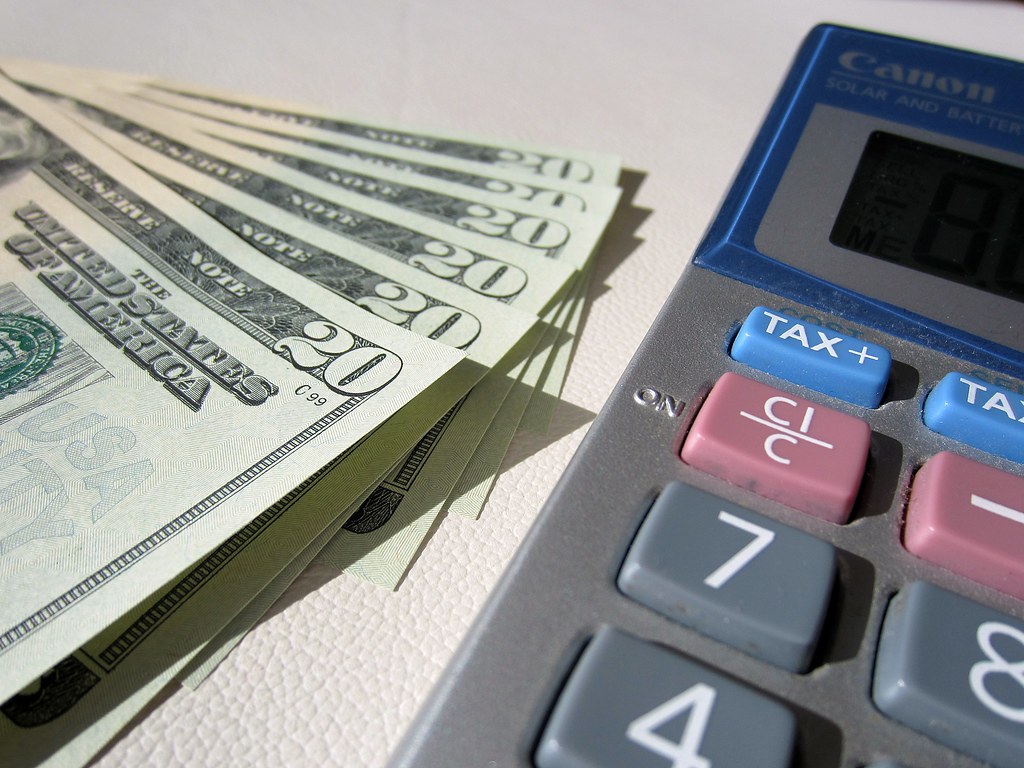
Remember that a home costs more than the mortgage. You’ll also pay property tax, home insurance, utilities and upkeep. Our mortgage and affordability calculators help you test different prices and rates.
Step 2: Save your down payment with the right accounts
As of September 2026, the minimum down payment is 5% on the first $500,000 and 10% on the portion from $500,000 up to $1,499,999. Homes at $1.5 million or more need 20% down.
If you put less than 20% down, you’ll pay mortgage default insurance. The premium is added to your mortgage, and it’s commonly 4.0% of the loan when you put down between 5% and 9.99%.
Programs that help first-time buyers
- FHSA: Save up to $8,000 a year, to a $40,000 lifetime limit. Contributions are tax-deductible and qualifying withdrawals are tax-free.
- RRSP Home Buyers’ Plan: Withdraw up to $60,000 per person ($120,000 for a couple) and repay it over 15 years.
- First-Time Home Buyers’ Tax Credit: Worth up to $1,500 federally.
- Ontario land transfer tax refund: Up to $4,000 for eligible first-time buyers.
An accountant can help you decide how to combine these accounts for your situation.
Step 3: Get pre-approved by a mortgage agent or lender
A pre-approval tells you how much you can borrow and holds a rate for a set period. You’ll need to pass the stress test, which means qualifying at the higher of your contract rate plus 2% or 5.25%.
First-time buyers can now choose a 30-year amortization on an insured mortgage. That lowers the monthly payment, but you’ll pay more interest over time. A licensed mortgage agent can compare both options for you. For tips on that first call, read our guide on talking to a mortgage agent about pre-approval.
Step 4: Choose the bungalow style that fits
“Bungalow” covers several styles. Each has its own trade-offs for price, space and upkeep.
| Style | What it is | Good for |
|---|---|---|
| Detached bungalow | One storey with a basement | Simple living, room to grow |
| Raised bungalow | Main floor up a half-flight, bright lower level | Basement suite potential |
| Bungalow townhome | One-level living with shared walls | Lower price, less yard work |
| Condo bungalow | One-level unit with a condo corporation | Minimal exterior maintenance |
| Backsplit or sidesplit | Split levels with short stair runs | Families wanting separation |
Browse bungalows for sale under $650,000 to see what your budget buys in different GTA cities.
Step 5: View homes with a beginner’s checklist
Bungalows are usually simpler than two-storey homes, but they still hide problems. Bring a short checklist to every showing.
- Look at the roof. A bungalow’s roof is large compared with its living space, so replacement can be a big cost.
- Check the basement for water stains, a musty smell and a working sump pump.
- Ask about the age of the furnace, air conditioner and water heater.
- Open the electrical panel door and note whether it looks updated.
- Walk the lot and check that the ground slopes away from the house.
Bungalow tip: Older GTA bungalows often have original windows and attic insulation. Budget for upgrades even if the home looks freshly painted.
Step 6: Make an offer that protects you
Your agent will help you set a price based on recent sales nearby. In many parts of the GTA, the market is moving toward balance in 2026, so you may have more time and room to include conditions.
Common conditions include financing, a home inspection and a lawyer’s review of condo documents. Each gives you a way out if something goes wrong. Never skip the inspection just to look stronger on paper.
Step 7: Plan for closing day
A real estate lawyer handles the title search, funds and paperwork. Budget 1.5% to 4% of the price for closing costs, including land transfer tax, legal fees, title insurance and adjustments.
If you buy inside the City of Toronto, you’ll also pay the Toronto municipal land transfer tax. First-time buyers can get a rebate of up to $4,475 on that tax. Cities like Mississauga and Brampton don’t charge it.
Frequently asked questions
Is a bungalow a good first home?
Yes, for many buyers. Bungalows are simple to maintain and often have basements you can finish later, though they can cost more per square foot than two-storey homes.
How much do I need to save to buy my first bungalow?
You need your down payment plus about 1.5% to 4% of the price for closing costs. A mortgage agent can give you exact figures for your target price.
Can I use both the FHSA and the Home Buyers’ Plan?
Yes, you can use both toward the same qualifying home purchase. Ask an accountant to confirm the rules for your situation before you withdraw.
Do I need a home inspection on a newer bungalow?
It’s strongly recommended. Even newer homes can have grading, roofing or installation issues that are hard to spot during a showing.
Your next step toward a first bungalow
Buying your first bungalow feels big, but each step is manageable on its own. Start with a budget and a pre-approval, then let the right listings come to you.
Our full buyer’s guide goes deeper on every stage, from first showing to keys in hand.