
The most useful innovative building materials for Canadian bungalows today are insulated concrete forms (ICF), structural insulated panels (SIPs), engineered and mass timber, fibre cement and composite cladding, and high-performance windows. None of them are science fiction. They are available in Ontario now, and each one trades a higher upfront cost for better comfort, durability or energy savings.
Key takeaways
- Most “next-gen” materials focus on insulation, airtightness and durability.
- ICF and SIPs can create very efficient walls but need experienced crews.
- Low-maintenance cladding and roofing reduce long-term upkeep.
- Ask builders about local experience, warranties and code approval for any new system.
Why building materials are changing
Three pressures are pushing builders toward new materials: rising energy expectations, labour shortages and a harsher mix of weather. Materials that insulate better, go up faster or survive storms with less repair are gaining ground.
For a bungalow, the walls, roof and foundation are spread across one level. That means wall and roof systems have an outsized effect on comfort and energy use, making material choice especially important.
Innovation also shows up in how homes are built. More components are now made in factories, including wall panels, roof trusses and even full modules. Factory work happens indoors, out of the rain and snow, which can improve quality and shorten time on site.
For you as a buyer or owner, the question is simple: does a material make the home more comfortable, cheaper to run or easier to maintain? If the answer is unclear, a proven conventional option may be the better choice.
Wall systems: ICF, SIPs and advanced framing
Insulated concrete forms (ICF)
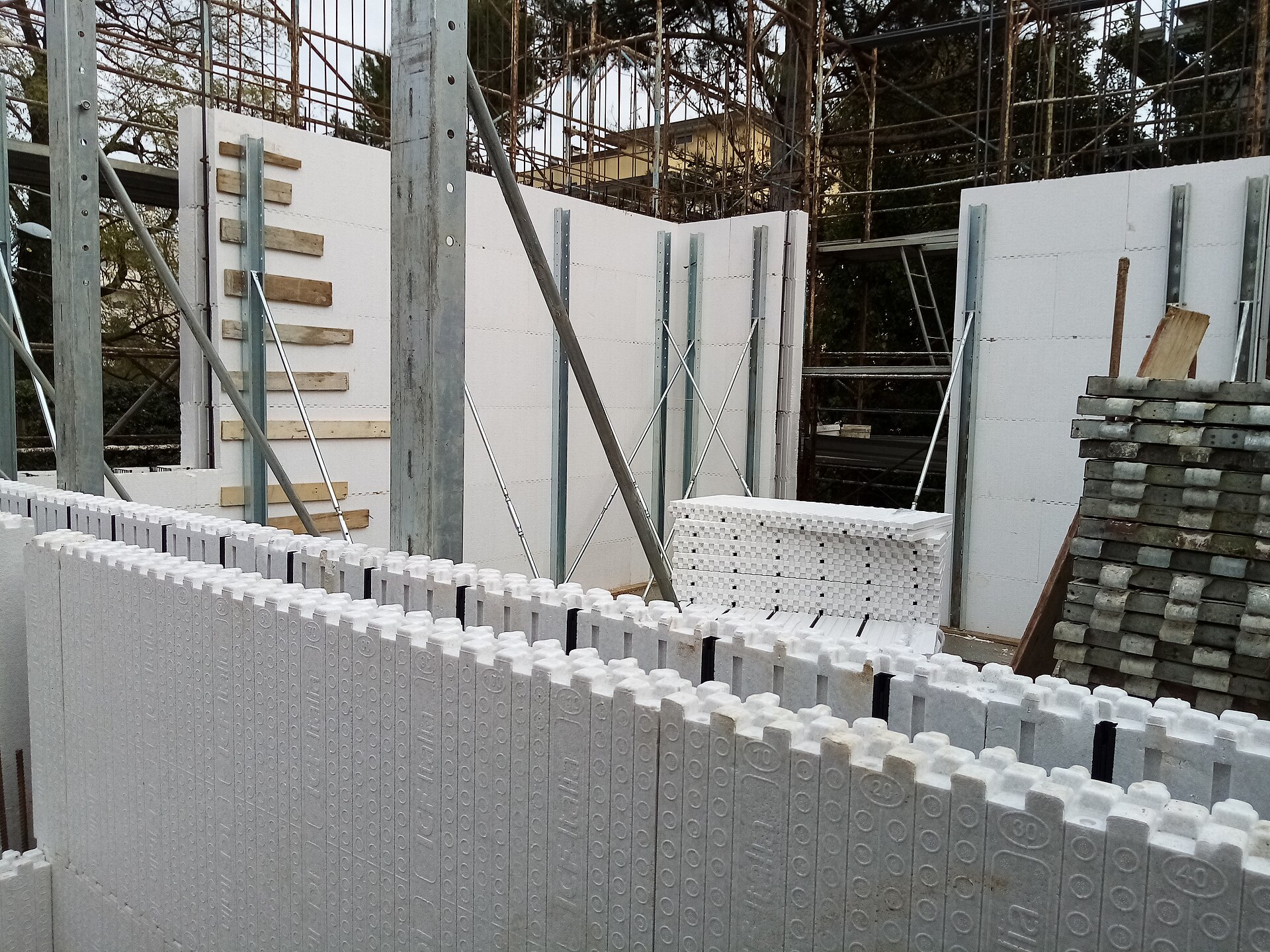
ICF walls are hollow foam blocks stacked like building bricks and filled with concrete. The result is a solid, well-insulated, quiet wall. ICF is popular for basements and is increasingly used for full above-grade walls.
Structural insulated panels (SIPs)
SIPs are factory-made panels with a foam core sandwiched between structural boards. They go up quickly and create very airtight walls and roofs. Precise planning is essential, since changes on site are harder.
Advanced wood framing
Many builders still use wood framing but add exterior rigid insulation and better air barriers. It is familiar to trades and often the most cost-effective way to beat code minimums.
Comparing the main options
| Material | Main benefit | Main drawback | Best for |
|---|---|---|---|
| ICF | Strong, quiet, well insulated | Higher cost; harder to modify later | Basements and full custom builds |
| SIPs | Fast install, very airtight | Needs precise design and trained crews | Simple bungalow shapes and roofs |
| Mass timber | Lower embodied carbon, attractive finish | Limited supply for houses; needs fire and code review | Feature beams, ceilings, custom homes |
| Fibre cement siding | Durable, fire-resistant, paintable | Heavier, needs proper install | Re-siding older bungalows |
| Triple-pane windows | Comfort, less condensation | Higher price, heavier frames | Bedrooms and north-facing rooms |
Roofing and cladding that last longer
A bungalow has a lot of roof for its size, so roofing choices matter more than on a two-storey home. Newer options include:
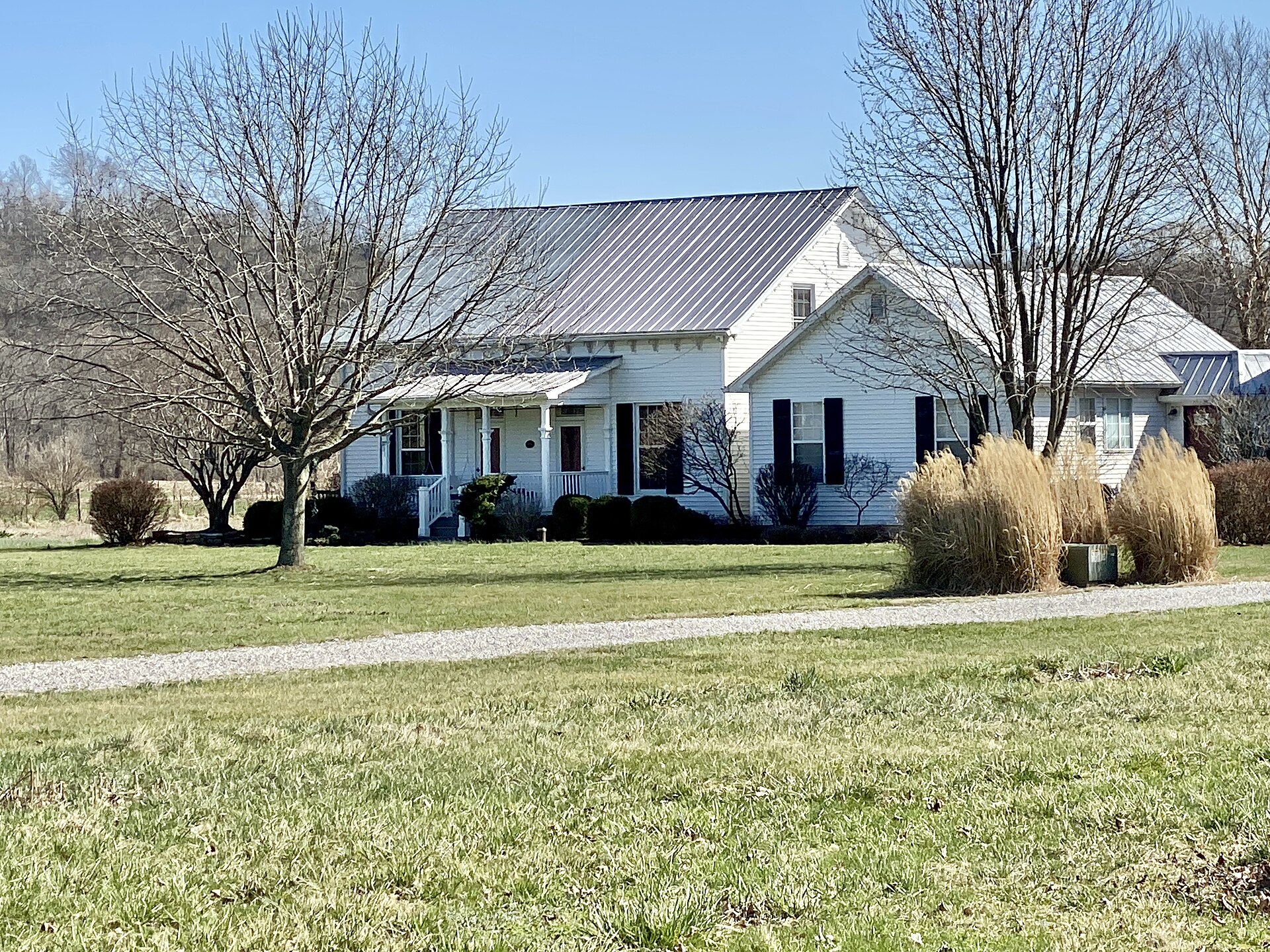
- Metal roofing with long service life and good snow shedding.
- Impact-resistant asphalt shingles designed to handle hail and high winds.
- Cool-roof coatings and lighter colours that reflect summer heat.
- Fibre cement and composite siding that resist rot, pests and fading.
Not sure when your current roof is due? Our guide on how often to replace a roof covers the warning signs.
Bungalow tip: If you are re-roofing an older bungalow, ask about adding attic air sealing and insulation at the same time. The access is already open, which saves labour.
Lower-carbon and healthier interior materials
Inside the house, innovation is quieter but still useful. Look for:
- Low-VOC paints, adhesives and finishes for better indoor air.
- Mineral wool insulation, which resists fire and moisture and dampens sound.
- Engineered wood flooring that stays stable in Ontario’s humidity swings.
- Recycled-content drywall, tile and countertops.
Our post on the pros and cons of engineered wood flooring goes deeper on that choice.
What about 3D printing and robotics?
You will hear about 3D-printed concrete walls and robotic framing. These methods are being tested in pilot projects, but they are still early and rare in Ontario housing. Approvals, financing, insurance and trades familiar with the systems are still catching up, so treat them as interesting to watch rather than ready for most buyers. For a closer, grounded look, read our post on 3D printed homes in Canada.
Questions to ask a builder about new materials
- How many homes have you built with this system, and can I see one?
- Is the system recognized under the Ontario Building Code for this use?
- Who can repair or modify it in 20 years?
- What warranty covers the material and the installation?
- How does it affect home insurance and resale?
Bungalow tip: Insurers and appraisers are used to standard construction. Keep spec sheets and invoices for any unusual material so future buyers and lenders understand what they are looking at.
Frequently asked questions
Are ICF homes more expensive than wood-frame homes?
Usually the walls cost more upfront. Owners accept that for better insulation, quietness and durability, but get detailed quotes because pricing varies widely by builder and design.
Can I use new materials when renovating an older bungalow?
Yes. Re-siding with fibre cement, adding exterior insulation, upgrading windows and switching to metal roofing are all common bungalow renovations.
Do innovative materials increase resale value?
They can help a home stand out for comfort and low upkeep, but there is no guaranteed return. Location, layout and overall condition still drive most of the value.
The bottom line on next-generation materials
The best new materials make a bungalow warmer, quieter and easier to maintain, not just more futuristic. Choose proven systems, hire experienced trades and keep good records.
If you would rather buy than build, browse bungalows for sale across Ontario and ask us what each home is made of.
The newest bungalows on the market
Fresh listings, updated every 15 minutes.
 $525,00041 Fox Trail Drive, St. Catharines3 bed · 2 bath · 462 - Rykert/VansickleCourtesy of RE/MAX NIAGARA REALTY LTD, BROKERAGE
 $459,9001737 2nd Street W, Cornwall3+1 bed · 2 bath · 717 - CornwallCourtesy of RE/MAX AFFILIATES MARQUIS LTD.
 $938,00052 Devins Drive, Aurora3 bed · 2 bath · Aurora HeightsCourtesy of REAL ONE REALTY INC.
 $349,900109 Powerview Avenue, St. Catharines3 bed · 1 bath · 458 - Western HillCourtesy of ROYAL LEPAGE NRC REALTY
 $999,00022 Avondale Crescent, Aurora4 bed · 3 bath · Aurora VillageCourtesy of RE/MAX HALLMARK REALTY LTD.
 $819,9002409 Whaley Drive, Mississauga3 bed · 2 bath · CooksvilleCourtesy of SUTTON GROUP - SUMMIT REALTY INC.