
A good backyard garden plan starts with your yard’s sun, soil and drainage, then divides the space into zones for growing, relaxing and getting around. Bungalows are ideal for gardening because the yard is usually one step from the kitchen and often generous in size. Follow these six steps to build a garden that suits Ontario’s climate and your lifestyle.
Key takeaways
- Map sun, shade, soil and wet spots before you plant anything.
- Plan zones for food, flowers, seating and paths.
- Choose plants that are hardy in your part of Ontario.
- Keep water flowing away from the house to protect your basement.
Step 1: Map your yard
Start with a simple drawing of the yard. Mark the house, fences, trees, sheds, patios and doors. Then add what you notice over a few days.
- Sun: Which areas get full sun, part sun or shade?
- Wind: Where does wind whip through in spring and fall?
- Water: Where do puddles form after rain?
- Views: What do you see from the kitchen and living room windows?
In a bungalow, you see the backyard from many rooms at ground level. Plan the best views from the spots where you spend the most time.
Step 2: Check your soil
Much of the GTA has heavy clay soil. It holds nutrients but drains slowly and packs down easily. Dig a few test holes and see how the soil looks and drains.
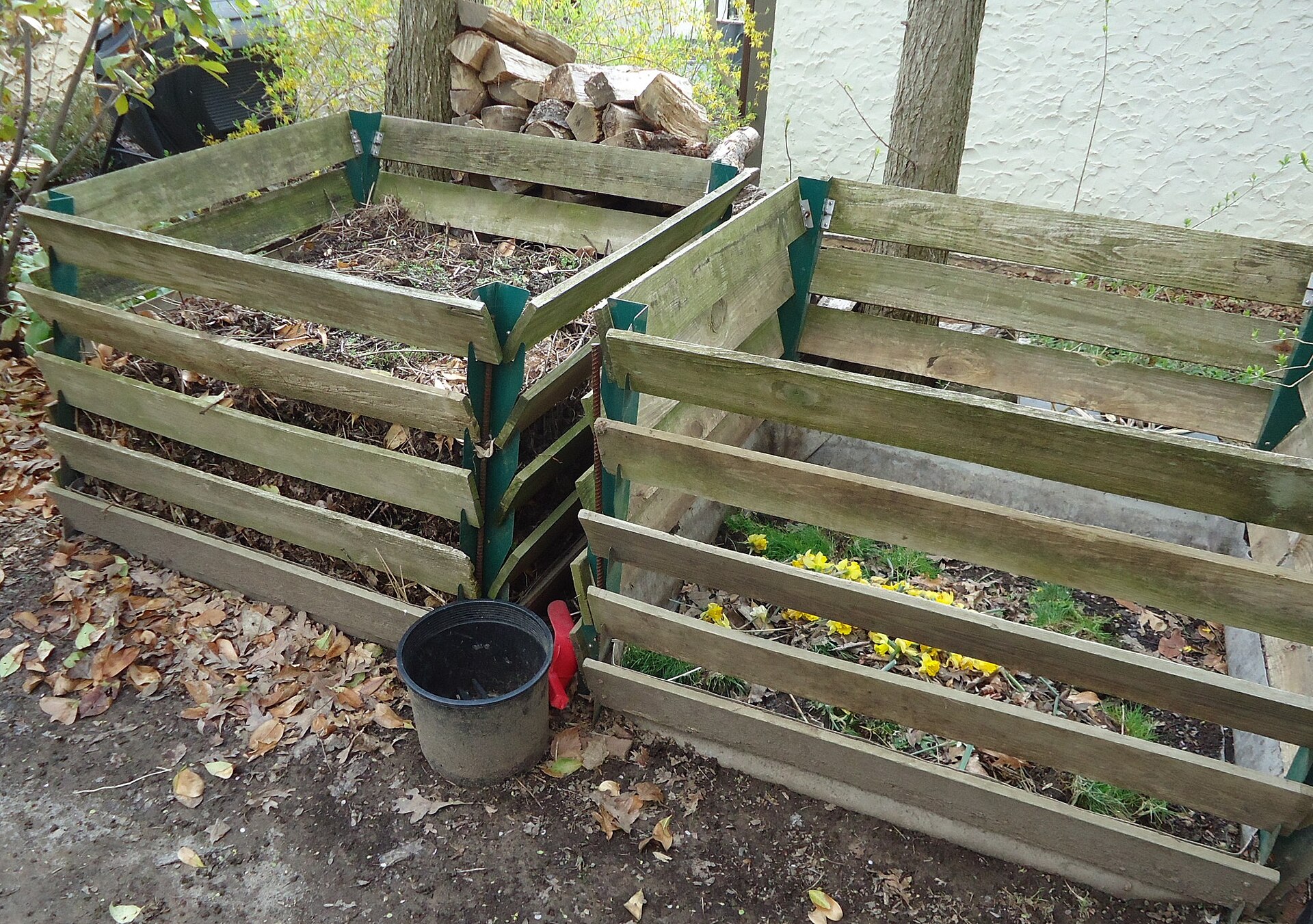
Most gardens benefit from compost worked into the top layer each year. For tough clay or contaminated soil, raised beds are often easier. A simple soil test kit from a garden centre can tell you about pH and nutrients.
Step 3: Divide the yard into zones
Zones turn a yard into a garden with purpose. Most bungalow backyards can fit three or four.
| Zone | Best location | What to include |
|---|---|---|
| Kitchen garden | Full sun, close to the back door | Raised beds for vegetables and herbs |
| Flower borders | Along fences and the house | Perennials, shrubs and bulbs |
| Seating area | Partial shade, near the house | Patio, chairs, a small table |
| Lawn or play space | Open, level area | Grass, clover or a play area |
| Work area | A back corner | Compost bin, rain barrel, shed |
Connect zones with paths made of stone, pavers or mulch. Paths keep feet off planting beds and make the garden easy to use.
Step 4: Choose plants that thrive in Ontario
Pick plants rated for your hardiness zone. Plant tags and local nurseries will tell you which plants survive winters in your area. Southern Ontario near the lake is milder than Barrie or Peterborough.

Reliable choices for Ontario gardens
- Perennials: coneflower, black-eyed Susan, hosta, daylily, sedum
- Native plants: milkweed, wild bergamot, Canada anemone, native asters
- Shrubs: hydrangea, ninebark, serviceberry, dogwood
- Vegetables: tomatoes, beans, lettuce, zucchini, peppers
- Herbs: chives, mint (in a pot), thyme, parsley, basil
Native plants support pollinators and usually need less watering once established. If you have pets, check that your choices are safe for them.
Bungalow tip: Keep garden beds next to the house slightly lower than the foundation and sloping away. Never pile soil or mulch up against the siding, which can trap moisture.
Step 5: Plan for water and drainage
Good drainage protects both your plants and your basement. Many bungalow basements stay dry because of careful grading outside.
- Point downspouts away from the house and toward a garden bed or lawn.
- Add a rain barrel to catch water for dry spells.
- Consider a rain garden in a low spot to soak up runoff.
- Use mulch to keep soil moist and reduce watering.
- Install drip irrigation or a soaker hose on a timer for vegetable beds.
Check your municipality’s rules before redirecting downspouts or changing grading near property lines.
Step 6: Build in easy upkeep
A garden should feel like a pleasure, not a second job. Plan for maintenance from the start.
- Group plants with similar water needs together.
- Use raised beds at a comfortable height to reduce bending.
- Choose perennials over annuals for most of your beds.
- Leave space between plants so they don’t crowd each other.
- Store tools close to the garden in a shed or deck box.
For a lower-effort approach, read our guide to a low-maintenance garden.
A simple first-year timeline
You don’t need to build the whole garden at once. Spreading the work out makes it affordable and easier to adjust.
- Spring: Map the yard, test the soil and build one or two raised beds.
- Summer: Grow easy vegetables and watch how sun and water move through the yard.
- Fall: Plant perennials, shrubs and spring bulbs, and add compost to beds.
- Winter: Review what worked and plan next year’s additions.
Frequently asked questions
When should I start planting in Ontario?
Most tender plants go in after the last frost in late spring, which varies by region. Cool-season crops like lettuce and peas can go in earlier.
Are raised beds better than in-ground gardens?
Raised beds warm up faster, drain better and are easier on your back. In-ground beds cost less and hold moisture longer, so many gardeners use both.
How do I keep my garden from flooding my basement?
Keep soil sloping away from the foundation, extend downspouts and avoid deep watering right next to the house.
Your garden, your way
A thoughtful plan turns any bungalow backyard into a place to grow food, enjoy flowers and relax. Start with the map, set your zones and add plants over time.
Want a bigger yard to work with? Browse bungalows for sale on larger lots, or explore bungalows with a pool for a ready-made backyard retreat.
The newest bungalows on the market
Fresh listings, updated every 15 minutes.
 $459,9001737 2nd Street W, Cornwall3+1 bed · 2 bath · 717 - CornwallCourtesy of RE/MAX AFFILIATES MARQUIS LTD.
 $938,00052 Devins Drive, Aurora3 bed · 2 bath · Aurora HeightsCourtesy of REAL ONE REALTY INC.
 $349,900109 Powerview Avenue, St. Catharines3 bed · 1 bath · 458 - Western HillCourtesy of ROYAL LEPAGE NRC REALTY
 $999,00022 Avondale Crescent, Aurora4 bed · 3 bath · Aurora VillageCourtesy of RE/MAX HALLMARK REALTY LTD.
 $819,9002409 Whaley Drive, Mississauga3 bed · 2 bath · CooksvilleCourtesy of SUTTON GROUP - SUMMIT REALTY INC.
 $839,900145 Emma Street, Guelph3 bed · 2 bath · General HospitalCourtesy of Royal LePage Royal City Realty