Universal design principles guide you to create a home that works for people of all ages, sizes and abilities, without looking clinical or needing special add-ons. There are seven widely used principles, from equitable use to enough space to move. A bungalow is a natural fit because its main rooms already sit on one level.
Key takeaways
- Universal design helps everyone, not only people with disabilities.
- It’s built into the home rather than added on later.
- The seven principles give you a simple checklist.
- Bungalows make universal design easier and cheaper to achieve.
- Good universal design looks like good design, not a hospital.
What is universal design?
Universal design means designing spaces so the widest range of people can use them without adaptation. A parent pushing a stroller, a teen with a broken ankle and a grandparent with a cane all benefit from the same features.
It’s different from accessible design, which often adapts a home for one person’s specific needs. Universal design aims to get it right from the start. For a deeper look at adapting a home for mobility devices, see our guide to a wheelchair accessible bungalow.
The seven principles of universal design
These principles were developed by architects, designers and researchers in the 1990s. They’re still the standard reference.
| Principle | What it means | Bungalow example |
|---|---|---|
| 1. Equitable use | Everyone can use it the same way | A no-step front entry instead of a separate side ramp |
| 2. Flexibility in use | Works for different preferences and abilities | A handheld shower head on an adjustable bar |
| 3. Simple and intuitive | Easy to understand without instructions | Light switches beside every door at the same height |
| 4. Perceptible information | Information is clear to all senses | Contrasting colours on step edges and countertops |
| 5. Tolerance for error | Mistakes don’t cause harm | Anti-scald valves and rounded counter corners |
| 6. Low physical effort | Comfortable with little strain | Lever handles and full-extension drawers |
| 7. Size and space | Room to approach and use things | Wide hallways and clear space beside the bed |
Applying universal design principles room by room
Entrance
- At least one step-free entry, ideally with a covered landing.
- Good lighting on the path and at the door.
- A shelf or bench beside the door for bags and parcels.
Kitchen
- Drawers in base cabinets instead of fixed shelves.
- A section of counter at a different height for seated work or kids.
- Front-control cooktop and a wall oven or side-opening oven.
- Contrasting counter edges so they’re easy to see.
Bathroom
- A curbless shower with a bench and handheld head.
- Reinforced walls so grab bars can go in any time.
- Slip-resistant flooring and a lever faucet.
Bedrooms and hallways
- Doorways of 36 inches where possible.
- Hallways wide enough to pass a walker or stroller.
- Adjustable closet rods and shelves.
- Night lighting from the bedroom to the bathroom.
Bungalow tip: If you’re renovating a bathroom, ask your contractor to add blocking in the walls now. It costs little during construction and makes grab bars easy to add later.
Why bungalows are ideal for universal design
The biggest barrier in most homes is the staircase. A bungalow removes it from daily life. The kitchen, bedrooms, bathroom and laundry can all sit on one level.
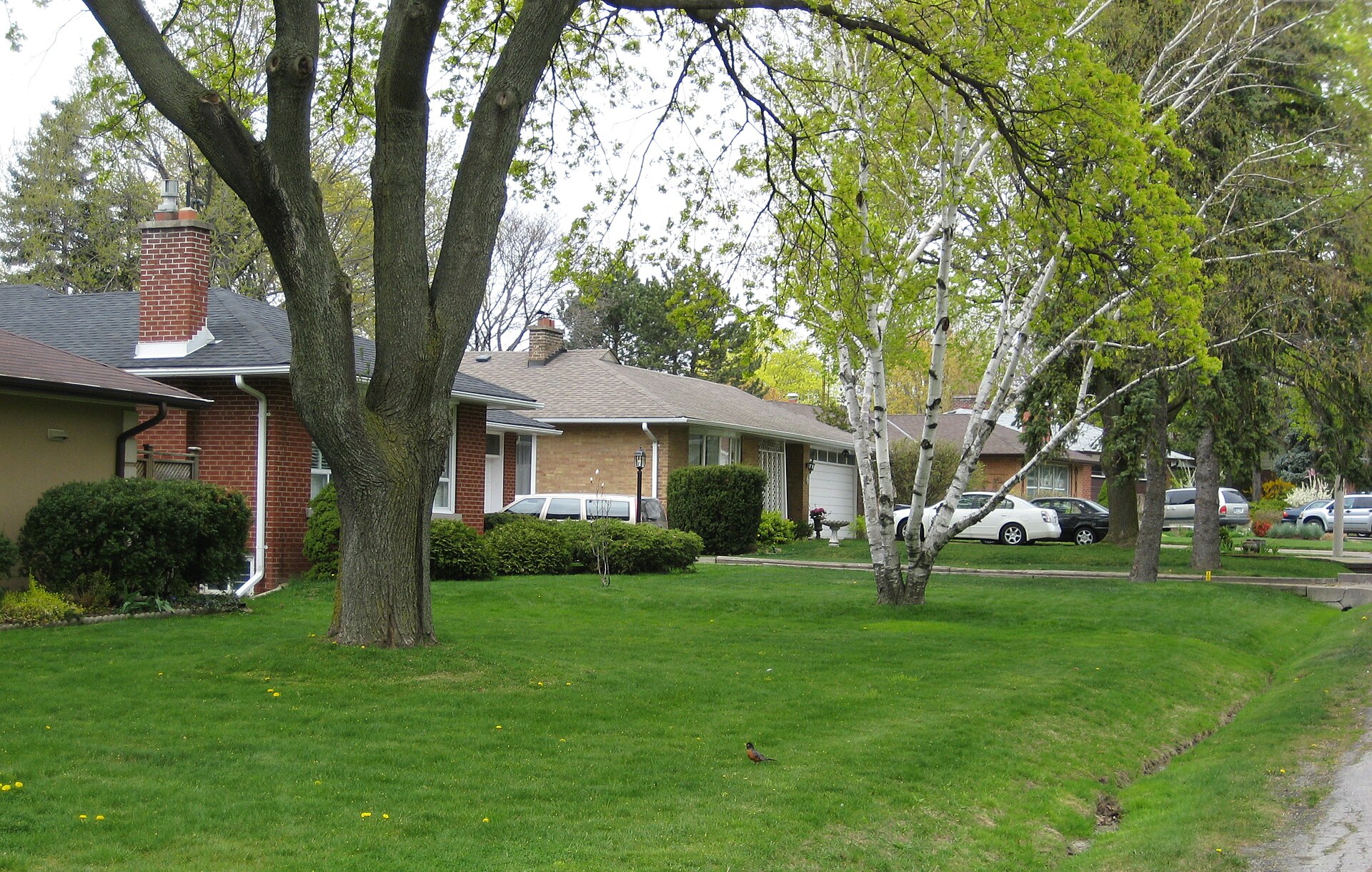
That means you can spend your budget on the details that matter, like a better shower or wider doors, instead of a stair lift or elevator. It also makes the home appealing to a wider range of future buyers.
Main-floor laundry, wide doorways, walk-in showers, lever handles and a no-step entry are features many buyers look for. A bungalow with them may stand out when you sell.
Universal design when buying or renovating
If you’re buying
- Look for a level lot and an attached garage with a low entry.
- Check whether laundry is on the main floor or could move there.
- Measure doorways and the main bathroom.
- Note which walls might be removable to open up space.
If you’re renovating
- Apply the principles every time you open up a room.
- Choose fixtures that are easy for everyone, like lever faucets and rocker switches.
- Work with a designer or occupational therapist for bigger changes.
You can filter by style and features as you shop using our bungalow listings. For the long-term view, read about aging in place renovations.
Frequently asked questions
What is the difference between universal design and accessible design?
Accessible design often adapts a space for a specific disability or person. Universal design aims to make a space usable by as many people as possible from the start, with no special adaptation.
Does universal design cost more?
Built in during construction or a renovation, many features add little cost. Retrofitting later is usually more expensive, so plan ahead when you can.
Does universal design make a home look institutional?
Not when it’s done well. Curbless showers, wide hallways, drawers and lever handles are features of many modern, high-end homes.
Can I use universal design in a raised bungalow?
Yes, inside the main floor. The entry stairs are the challenge. A ramp, lift or a garage entry at grade may help, depending on the home.
Design once, live well for years
Universal design is about planning for real life: visitors, injuries, kids and getting older. Use the seven principles as a checklist every time you buy, build or renovate.
Ready to look for a home that already checks many boxes? Set up bungalow listing alerts and we’ll send new matches as they hit the market.
The newest bungalows on the market
Fresh listings, updated every 15 minutes.
 $525,00041 Fox Trail Drive, St. Catharines3 bed · 2 bath · 462 - Rykert/VansickleCourtesy of RE/MAX NIAGARA REALTY LTD, BROKERAGE
 $459,9001737 2nd Street W, Cornwall3+1 bed · 2 bath · 717 - CornwallCourtesy of RE/MAX AFFILIATES MARQUIS LTD.
 $938,00052 Devins Drive, Aurora3 bed · 2 bath · Aurora HeightsCourtesy of REAL ONE REALTY INC.
 $349,900109 Powerview Avenue, St. Catharines3 bed · 1 bath · 458 - Western HillCourtesy of ROYAL LEPAGE NRC REALTY
 $999,00022 Avondale Crescent, Aurora4 bed · 3 bath · Aurora VillageCourtesy of RE/MAX HALLMARK REALTY LTD.
 $819,9002409 Whaley Drive, Mississauga3 bed · 2 bath · CooksvilleCourtesy of SUTTON GROUP - SUMMIT REALTY INC.