An assignment sale in Ontario happens when someone who bought a home before it was built sells their purchase contract to a new buyer before closing. The new buyer, called the assignee, steps into the original agreement and closes with the builder. It can be a smart way to buy a new home or exit one, but builder rules, taxes and financing all need careful handling.
Key takeaways
- The seller (assignor) transfers their rights in a builder contract to a buyer (assignee).
- Most builders require written consent and charge an assignment fee.
- The assignee usually repays the original deposits plus any profit to the assignor.
- Assignment profits can face HST and income tax; get professional advice.
How does an assignment sale work?
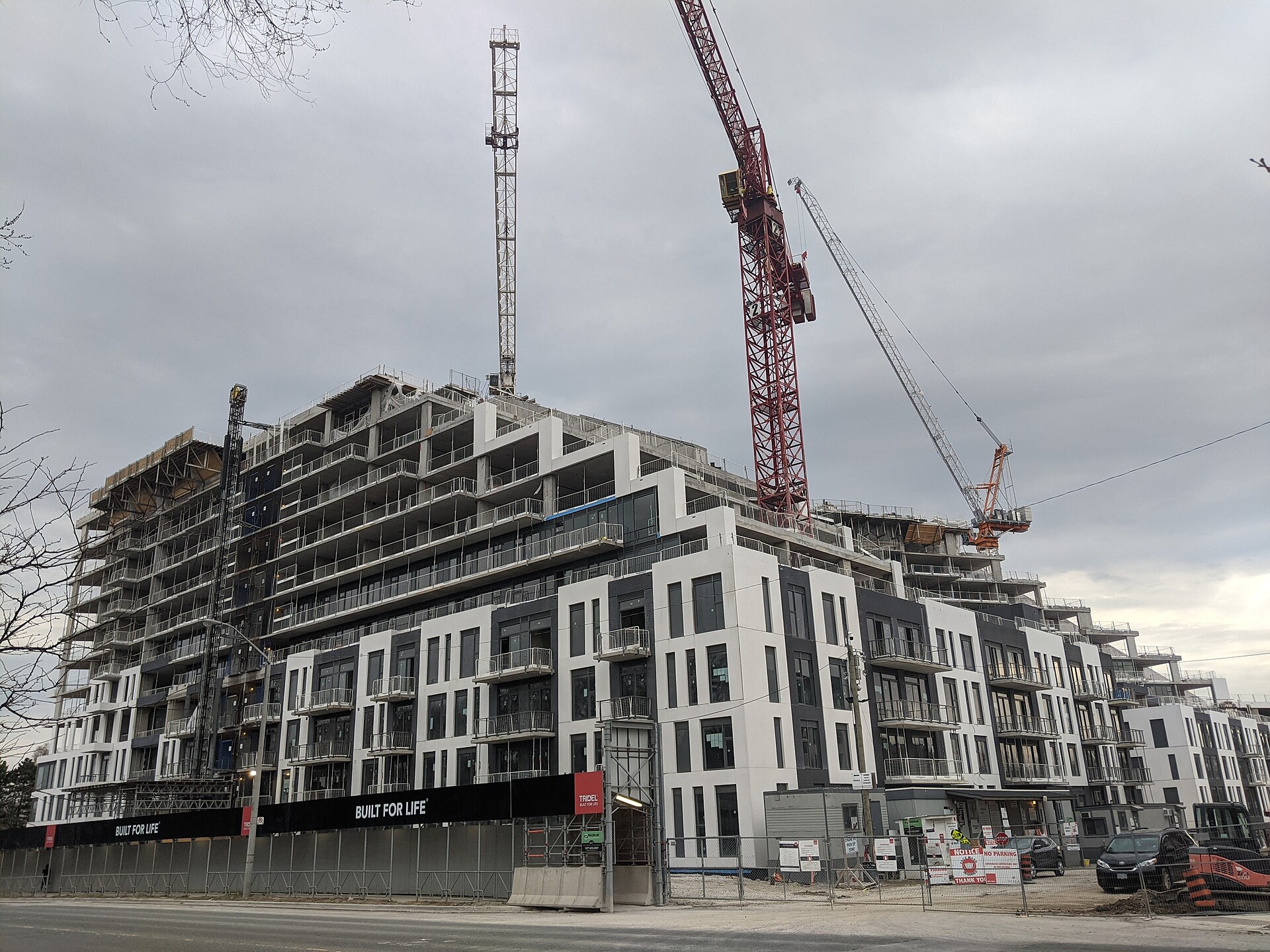
When you buy pre-construction, you sign an agreement with the builder and pay deposits over time. If your plans change before closing, you may be able to assign that agreement to someone else.
- Check the original agreement. It sets out whether assignments are allowed and on what terms.
- Get builder consent. Most builders require approval and charge a fee.
- Find a buyer. Some builders limit public marketing, including MLS listings, until certain milestones.
- Sign an assignment agreement. It sets the price, deposit repayment and closing terms.
- Close with the builder. The assignee takes over the original contract and closes as the purchaser.
Assignor vs assignee: who pays what?
| Item | Assignor (original buyer) | Assignee (new buyer) |
|---|---|---|
| Original deposits | Gets them back from the assignee | Repays them at the assignment |
| Profit | Earns any amount above the original price | Pays it, often partly on assignment and partly on closing |
| Builder’s assignment fee | Often paid by the assignor, but negotiable | Sometimes shared or assumed |
| Mortgage at closing | No longer needed | Must qualify based on the original price and terms |
| Closing costs and adjustments | Usually none at final closing | Pays land transfer tax, legal fees and builder adjustments |
Why buy an assignment?
- Closer move-in date than buying new pre-construction today.
- Access to sold-out projects or popular lots and floor plans.
- Possibly a better price if the assignor needs to exit quickly or the market has softened.
- New-home warranty coverage through the builder’s Tarion-backed warranty.
Bungalow tip: New bungalows are scarce in the GTA, so an assignment can be one of the few ways to buy a brand-new one-storey home. Watch builder projects in Simcoe, Durham and Niagara, where new bungalows are more common.
Risks for assignment buyers
- Appraisal gap: lenders may value the home below what you’re paying, especially in a softer market. As of August 2026, the GTA’s MLS HPI composite benchmark was down 4.5% year over year.
- Closing adjustments: builder agreements often include development charges and other adjustments that can add up.
- Delays: construction delays push back your closing and rate planning.
- Unclear terms: you inherit the original agreement, so you must read every page.
Risks for assignment sellers
- Builder restrictions: some agreements ban or limit assignments, or charge high fees.
- Market timing: if values have dropped, you may need to accept less than you paid, or even pay the assignee to take over.
- Tax on profit: see the next section.
- Liability: in some cases, you may stay responsible to the builder if the assignee doesn’t close. Ask your lawyer.
Checklist: buying an assignment safely
- Get a full copy of the original builder agreement, including every amendment and schedule.
- Have your real estate lawyer review it before you sign the assignment agreement.
- Confirm the builder has consented, or will consent, in writing.
- Verify the deposits paid with the builder, not just the seller’s word.
- Ask your mortgage agent how lenders will treat the price and appraisal.
- Estimate closing adjustments so you’re not surprised on closing day.
- Check the expected closing date and what happens if it’s delayed.
Tax considerations for assignment sales
Taxes are where many assignors get caught off guard:
- HST: assignments of new homes are generally subject to HST on the assignment profit. How it’s handled should be spelled out in the agreement.
- Income tax: the CRA often treats assignment profits as business income. Federal anti-flipping rules can also treat short-term gains as business income.
- New-home rebates: eligibility for GST and HST relief on new homes depends on who buys, the price and the agreement date. Confirm with a professional.
Speak with a real estate lawyer and an accountant before you sign anything. Learn about new-home rebates in our first-time home buyer incentives guide.
Frequently asked questions
Are assignment sales legal in Ontario?
Yes, as long as the original agreement allows them and you follow the builder’s consent process. Your lawyer will confirm the terms.
Can I get a mortgage on an assignment?
Yes. Lenders typically look at the original purchase price, the appraised value and what you’re paying. Talk to your mortgage agent early, since not every lender handles assignments the same way.
Can an assignment be listed on MLS?
Sometimes. Many builder agreements restrict public advertising, so check the agreement before marketing it.
Do I pay land transfer tax on an assignment?
Yes. The final buyer generally pays land transfer tax on closing, calculated on the total price. See our guide to Ontario land transfer tax.
The bottom line on assignment sales
Assignment sales can unlock new homes for buyers and a way out for original purchasers. Read the builder agreement closely, run the tax numbers and line up financing early. For more on buying new, see our guide to pre-construction bungalows in the GTA, and set up listing alerts to see what’s available.